
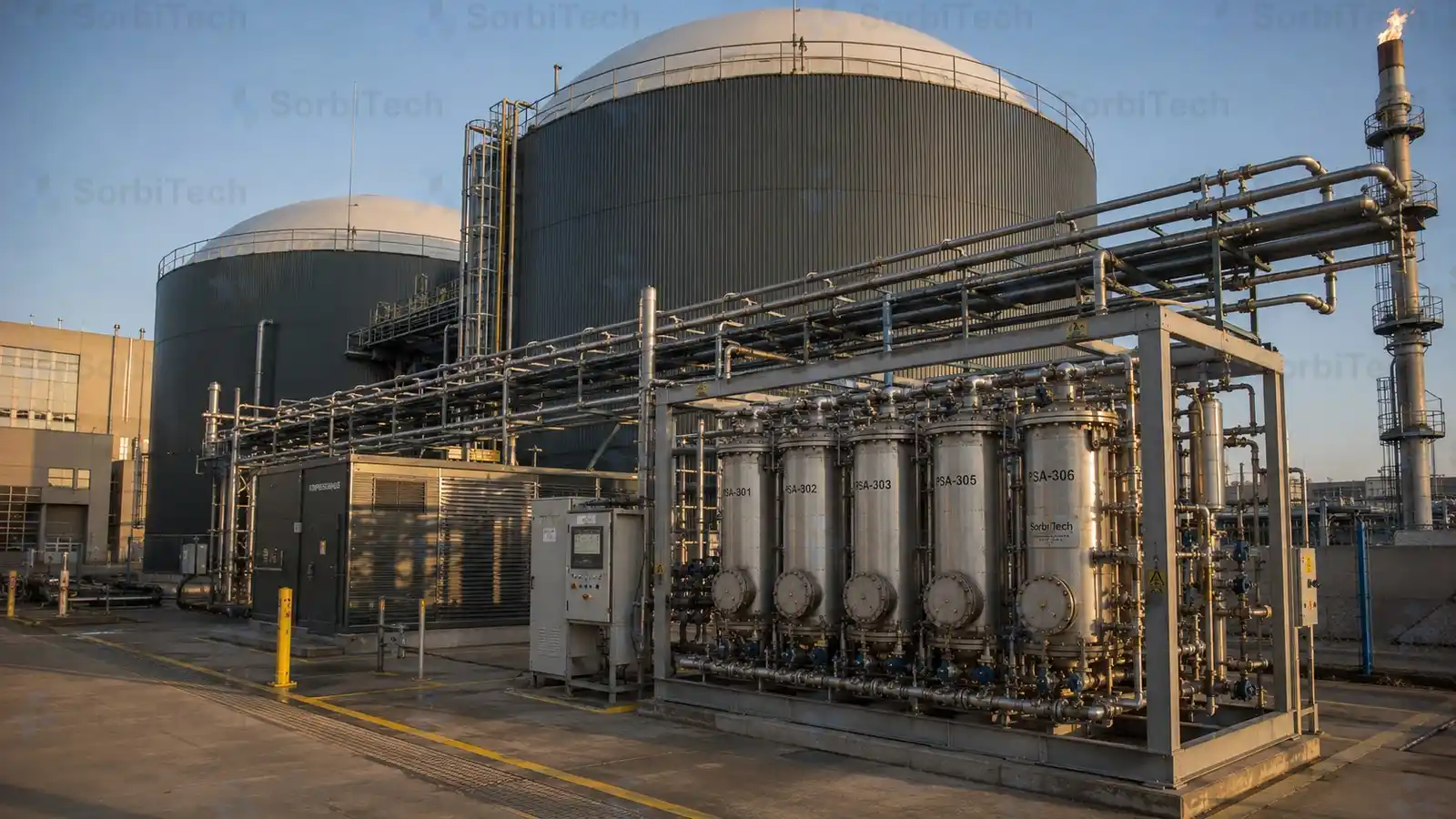
Biogas Upgrading (CO₂ Removal)
Carbon dioxide removal from anaerobic digester biogas and landfill gas using carbon molecular sieve PSA to deliver grid quality bio methane for pipeline injection or CNG vehicle fuel.
Biogas upgrading separates carbon dioxide from methane in raw biogas (50 to 60 percent CH₄ inlet) using carbon molecular sieve in a pressure swing adsorption cycle. Outlet bio methane reaches 95 to 98 percent methane purity, meeting EN 16723-1 for grid injection or CNG specification for vehicle fuel.
Raw Biogas Is Half Carbon Dioxide
Raw biogas from anaerobic digestion of sewage sludge, agricultural manure, food waste, and crop residue, plus the gas collected from landfill methane wells, carries 50 to 60 percent methane and 40 to 50 percent carbon dioxide. The high CO₂ content lowers the heating value to below pipeline specification, blocks grid injection, and prevents direct CNG vehicle use. Biogas upgrading removes the CO₂ and delivers bio methane at grid or CNG specification.
Pressure Swing Adsorption on Carbon Molecular Sieve
The SorbiTech upgrading route uses carbon molecular sieve in a 4 to 6 vessel pressure swing adsorption cycle. The CMS pore opening is tuned to admit CO₂ faster than methane; CO₂ is captured under pressure, methane passes through to the product header. Pressure equalisation steps between vessels recover the methane that would otherwise vent with the regeneration gas, lifting methane recovery above 98 percent.
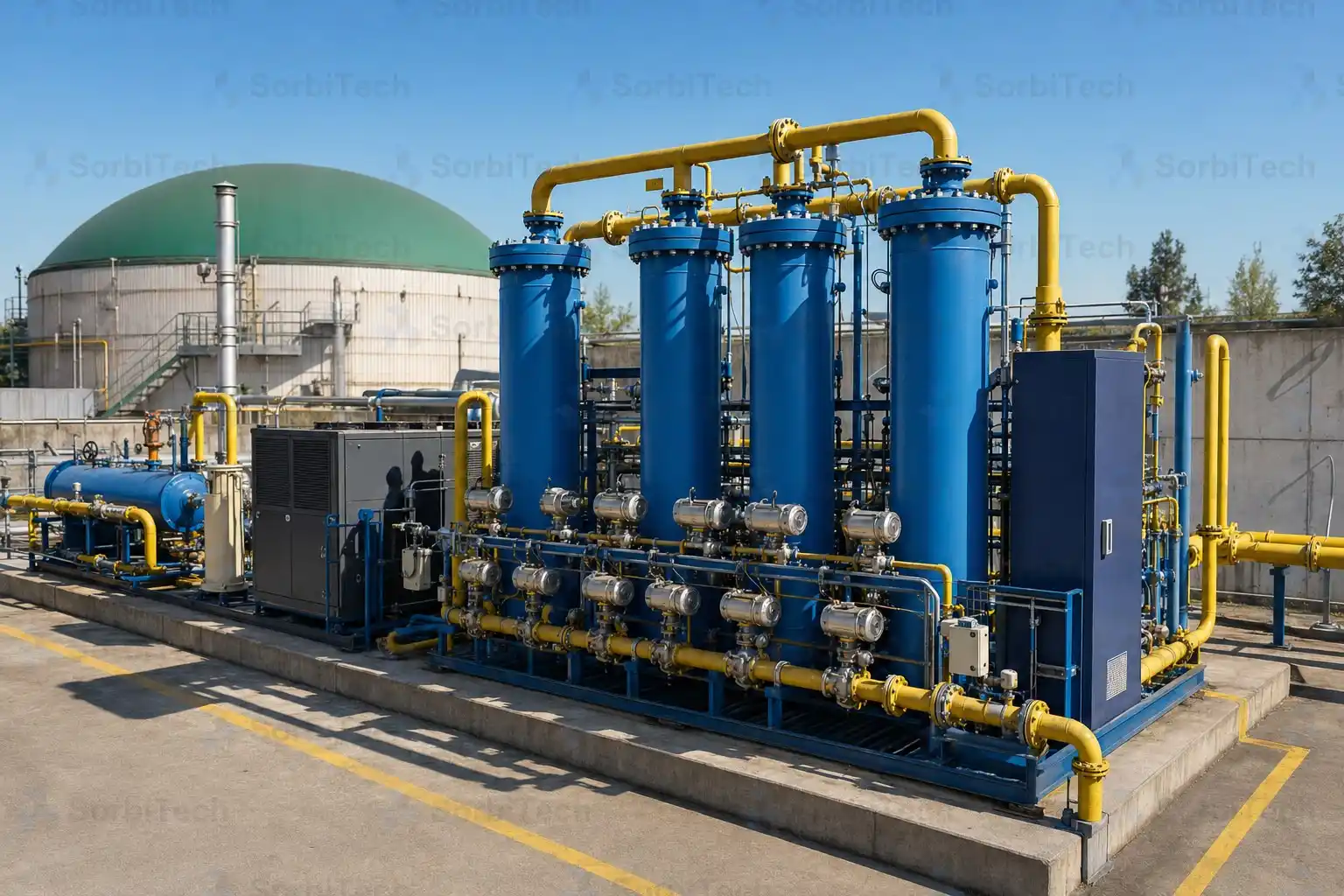
Mandatory Inlet Conditioning
Raw biogas carries hydrogen sulphide (typically 100 to 5,000 ppm), siloxanes (from landfill gas), ammonia (from manure digesters), and water (saturation at digester temperature). All of these contaminate the CMS unless removed upstream. The SorbiTech inlet conditioning package stages a chiller, a sulphur impregnated activated carbon guard bed for H₂S and siloxanes, an ammonia scrubber where applicable, and a particulate filter.
Bio Methane Markets
Grid injection under EN 16723-1 is the largest European market (Germany, France, Netherlands, Sweden); CNG vehicle fuel under regional specification is the largest market in the Indian subcontinent; small scale liquefied biomethane is an emerging market in North America. SorbiTech delivers the complete biogas upgrading unit turnkey by SorbiTech. Sector coverage is industrial gas and renewable energy.
Selection Guidance
Use carbon molecular sieve in a 4 to 6 vessel PSA cycle. Pre treatment is mandatory: chiller for water removal, sulphur impregnated activated carbon for H₂S and siloxanes, particulate filter. Off gas CO₂ is vented or sequestered per the project carbon scheme.
A Specified, Verified Solution
Define the duty
We capture your process conditions: flow, composition, pressure, temperature, and the target outlet specification.
Select media & configuration
Our engineers recommend the adsorbent grade and system type that meet the duty with margin.
Size & engineer
Bed sizing, vessel design, and cycle parameters are engineered to your case and documented for approval.
Commission & verify
We support loading, start up, and performance verification against the guarantee.
Recommended Products & Systems
Adsorbents & Media
-
01
 Adsorbent
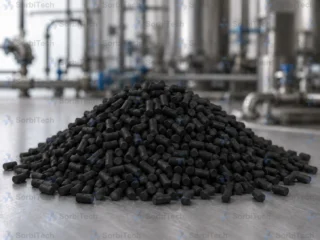
Pellet Activated Carbon
Extruded pellet carbon for gas phase duties: solvent recovery, vapour recovery, odour control, and mercury guard beds.
Form
3 mm or 4 mm extruded pellets
Adsorbent
Pellet Activated Carbon
Extruded pellet carbon for gas phase duties: solvent recovery, vapour recovery, odour control, and mercury guard beds.
Form
3 mm or 4 mm extruded pellets
-
02
 Adsorbent
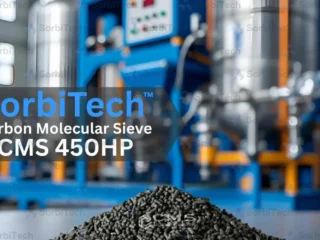
Carbon Molecular Sieve CMS 450HP
Ultra high purity carbon molecular sieve. 99.99999 percent (7N) N2, selective O2 and CO2 capture, 1.0 to 1.6 mm pellets, minimal fines, deoxo polishing…
Water Cap.
Feed must reach ISO 8573 class 1.4.1, deoxo polishing recommended for 7N %
Adsorbent
Carbon Molecular Sieve CMS 450HP
Ultra high purity carbon molecular sieve. 99.99999 percent (7N) N2, selective O2 and CO2 capture, 1.0 to 1.6 mm pellets, minimal fines, deoxo polishing…
Water Cap.
Feed must reach ISO 8573 class 1.4.1, deoxo polishing recommended for 7N %
-
03
 Adsorbent
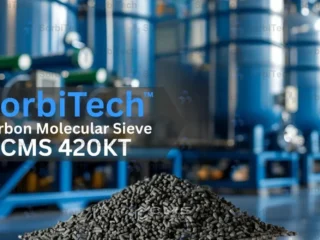
Carbon Molecular Sieve CMS 420KT
High efficiency carbon molecular sieve. Higher oxygen affinity under 7 to 12 barg, 1.2 to 1.8 mm pellets, Snowstorm Filling compatible, ASTM D4058 attrition…
Water Cap.
Feed must reach ISO 8573 class 1.4.1 %
Adsorbent
Carbon Molecular Sieve CMS 420KT
High efficiency carbon molecular sieve. Higher oxygen affinity under 7 to 12 barg, 1.2 to 1.8 mm pellets, Snowstorm Filling compatible, ASTM D4058 attrition…
Water Cap.
Feed must reach ISO 8573 class 1.4.1 %
-
04
 Adsorbent
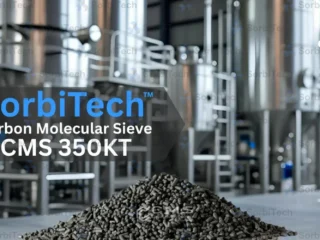
Carbon Molecular Sieve CMS 350KT
Rapid adsorption carbon molecular sieve. 40 to 90 second cycle at 7 to 10 barg, up to 99.99 percent N2, 1.0 to 2.2 mm…
Water Cap.
Moisture at supply below 1.0 percent, feed must reach ISO 8573 class 1.4.1 %
Adsorbent
Carbon Molecular Sieve CMS 350KT
Rapid adsorption carbon molecular sieve. 40 to 90 second cycle at 7 to 10 barg, up to 99.99 percent N2, 1.0 to 2.2 mm…
Water Cap.
Moisture at supply below 1.0 percent, feed must reach ISO 8573 class 1.4.1 %
-
05
 Adsorbent
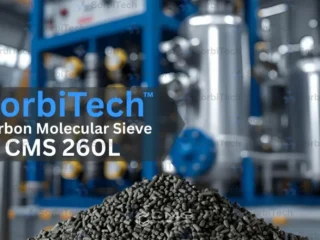
Carbon Molecular Sieve CMS 260L
Affordable carbon molecular sieve. 1.2 to 1.8 mm pellets, sub 10 Angstrom pore, 95 to 99.9 percent N2 from compressed air at 7 to…
Water Cap.
Intolerant of liquid water, feed must reach ISO 8573 class 1.4.1 %
Adsorbent
Carbon Molecular Sieve CMS 260L
Affordable carbon molecular sieve. 1.2 to 1.8 mm pellets, sub 10 Angstrom pore, 95 to 99.9 percent N2 from compressed air at 7 to…
Water Cap.
Intolerant of liquid water, feed must reach ISO 8573 class 1.4.1 %
-
06
 Adsorbent
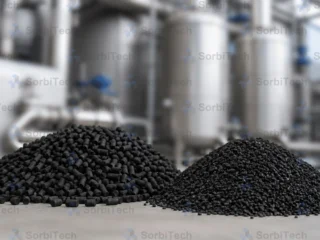
Impregnated Activated Carbon
Sulfur, KI, or KOH impregnated activated carbon. Mercury below 10 ng per Nm3, H2S and mercaptan capture upstream of catalysts. 4 mm pellet or…
Water Cap.
Dry feed preferred, water displaces impregnant %
Adsorbent
Impregnated Activated Carbon
Sulfur, KI, or KOH impregnated activated carbon. Mercury below 10 ng per Nm3, H2S and mercaptan capture upstream of catalysts. 4 mm pellet or…
Water Cap.
Dry feed preferred, water displaces impregnant %
Engineered Systems
-
01
Equipment
Biogas Upgrading Unit
PSA biogas upgrading unit using carbon molecular sieve to separate carbon dioxide from methane and deliver grid quality bio methane from anaerobic digester biogas…
Capacity
50–2,000 Nm³/h raw biogas
-
02
 Equipment
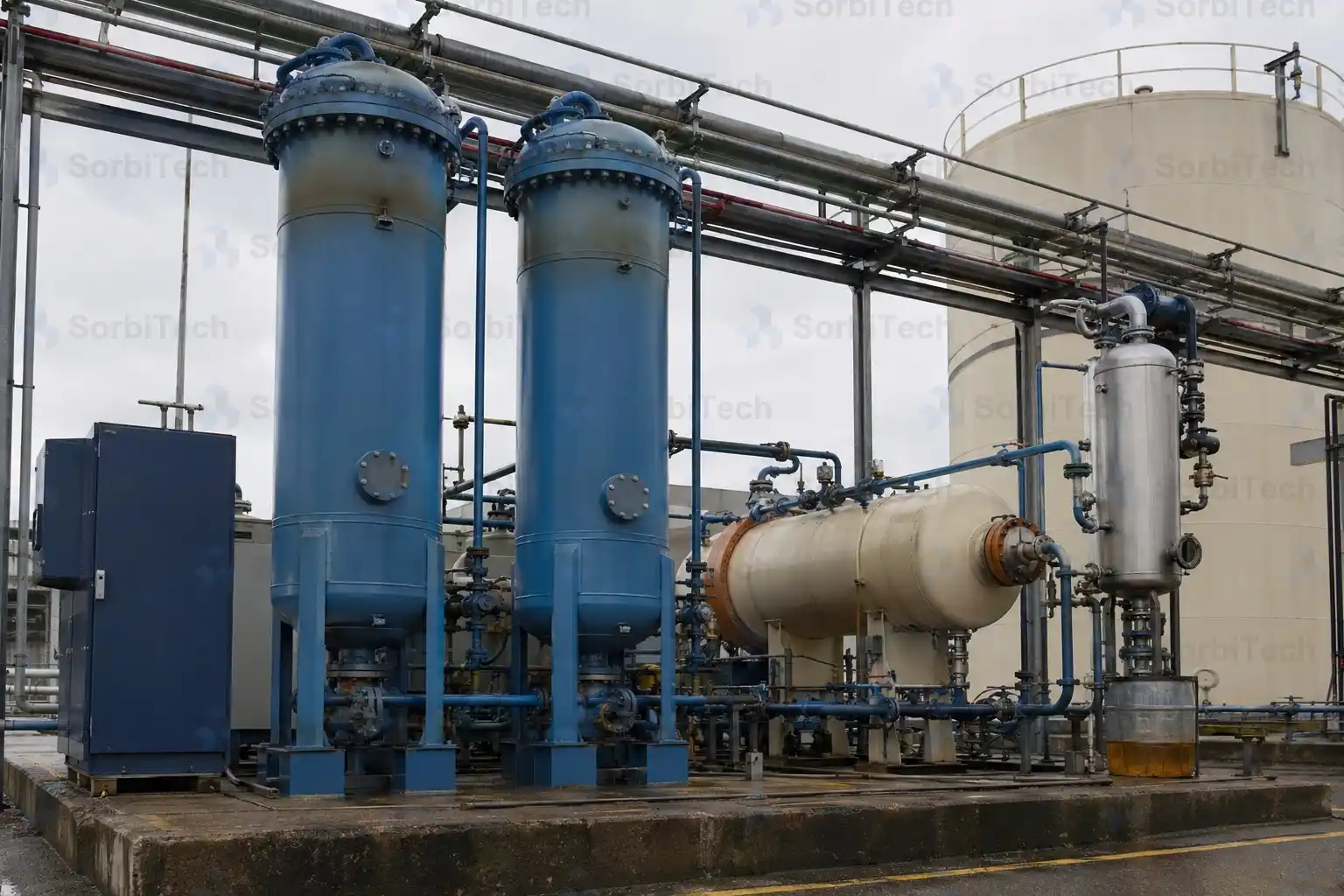
Vapour Recovery Unit (VRU)
Activated carbon vapour recovery unit for tank farms, loading racks, and process vents to capture and recover hydrocarbons before stack release.
Capacity
50–10,000 Nm³/h vent gas
Equipment
Vapour Recovery Unit (VRU)
Activated carbon vapour recovery unit for tank farms, loading racks, and process vents to capture and recover hydrocarbons before stack release.
Capacity
50–10,000 Nm³/h vent gas
-
03
 Equipment
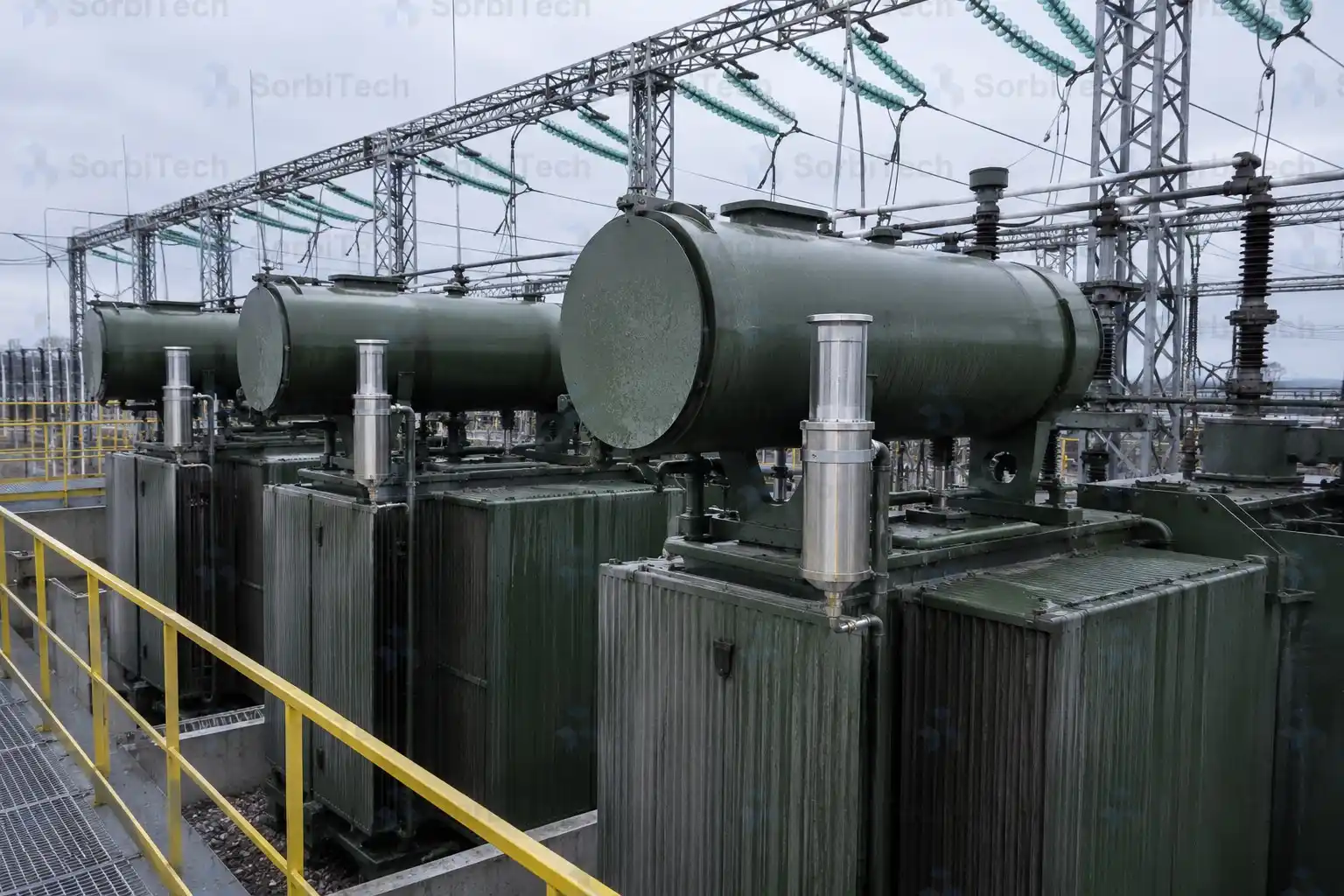
Transformer Breather Cartridge System
Pre packaged stainless steel transformer breather cartridge with indicating silica gel for grid transformer moisture protection across the high voltage transmission and distribution network.
Capacity
0.5–25 kVA transformer to 800 kV substation
Equipment
Transformer Breather Cartridge System
Pre packaged stainless steel transformer breather cartridge with indicating silica gel for grid transformer moisture protection across the high voltage transmission and distribution network.
Capacity
0.5–25 kVA transformer to 800 kV substation
-
04
 Equipment
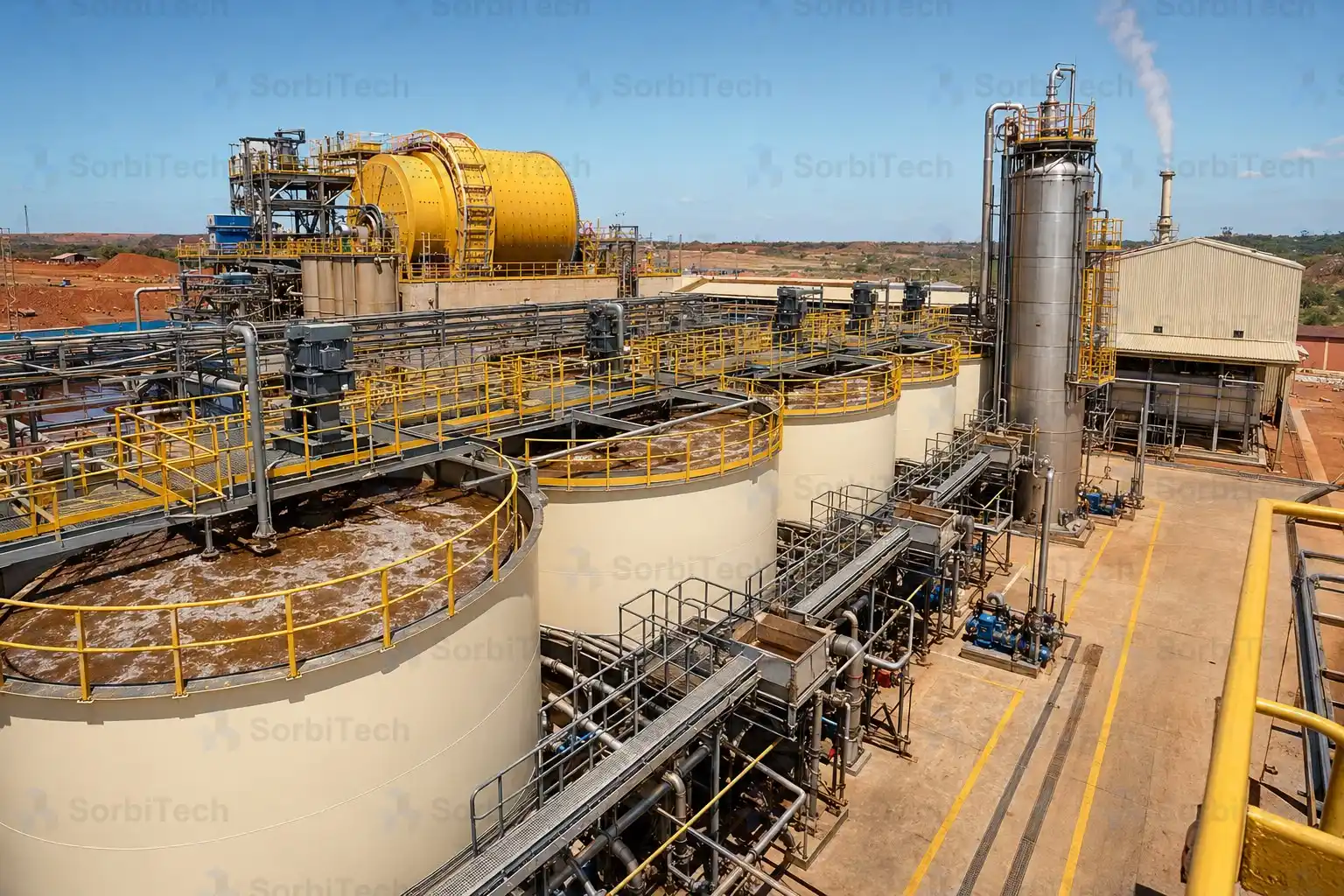
CIP CIL Gold Carbon Plant
Carbon in pulp (CIP) and carbon in leach (CIL) gold recovery plant using high activity coconut shell granular activated carbon to recover gold cyanide…
Capacity
10–200 t/h ore throughput
Equipment
CIP CIL Gold Carbon Plant
Carbon in pulp (CIP) and carbon in leach (CIL) gold recovery plant using high activity coconut shell granular activated carbon to recover gold cyanide…
Capacity
10–200 t/h ore throughput
-
05
 Equipment
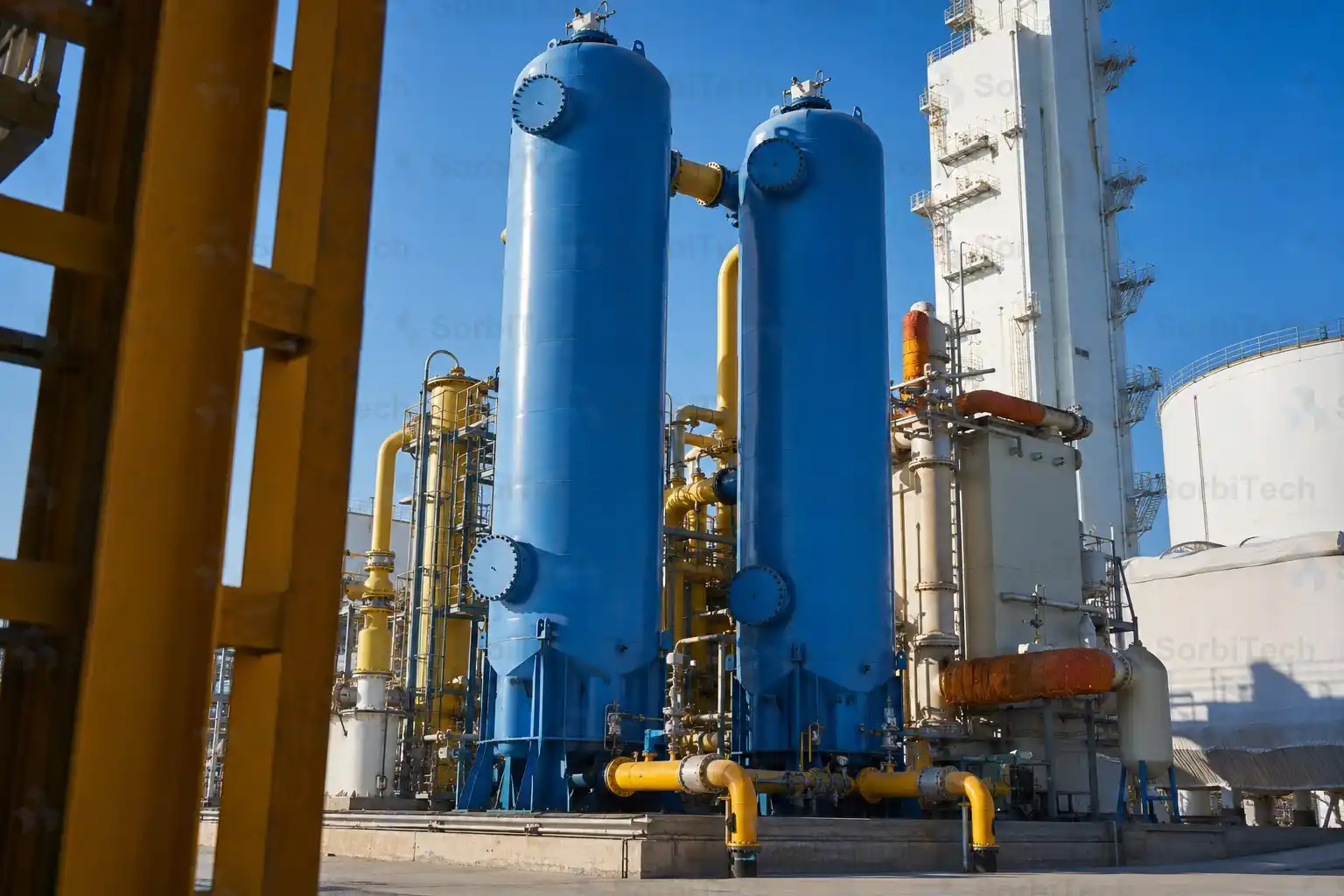
Cryogenic ASU Pre Purification Package
Front end TSA pre purification package for cryogenic air separation units removing water, carbon dioxide, and trace hydrocarbons before the cold box.
Capacity
5,000–500,000 Nm³/h air
Equipment
Cryogenic ASU Pre Purification Package
Front end TSA pre purification package for cryogenic air separation units removing water, carbon dioxide, and trace hydrocarbons before the cold box.
Capacity
5,000–500,000 Nm³/h air
-
06
 Equipment
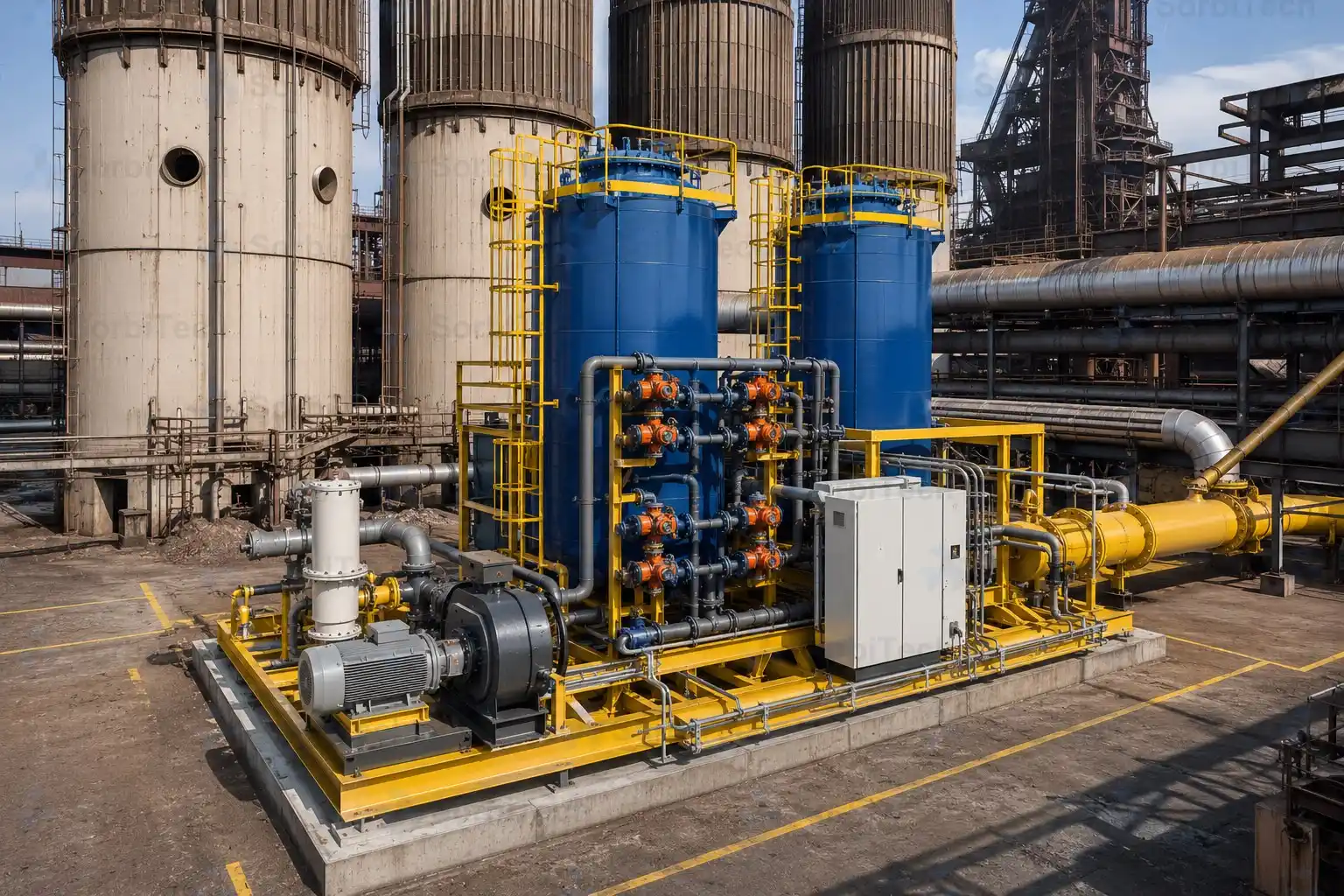
Oxygen VPSA Package
On site vacuum pressure swing adsorption (VPSA) oxygen generation package delivering 90 to 95 percent oxygen for medical, aquaculture, ozone generation, and metals applications.
Capacity
50–2,500 Nm³/h O₂ (90–95 % purity)
Equipment
Oxygen VPSA Package
On site vacuum pressure swing adsorption (VPSA) oxygen generation package delivering 90 to 95 percent oxygen for medical, aquaculture, ozone generation, and metals applications.
Capacity
50–2,500 Nm³/h O₂ (90–95 % purity)
Industries Using This Application
-
01
 Sector
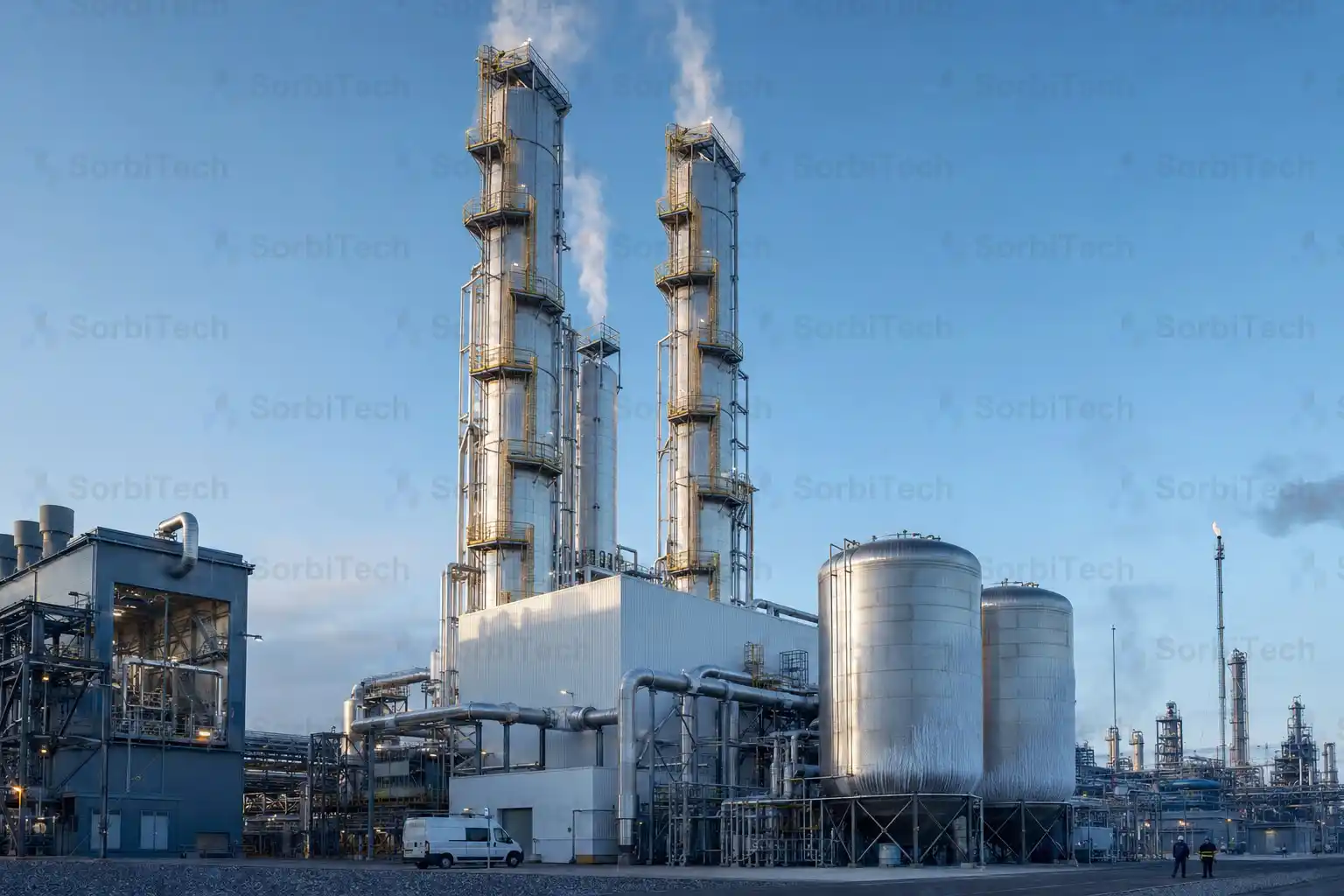
Industrial Gas & Air Separation
Molecular sieves and carbon molecular sieve plus PSA/TSA systems for nitrogen and oxygen generation and cryogenic air separation pre purification.
Sector
Industrial Gas & Air Separation
Molecular sieves and carbon molecular sieve plus PSA/TSA systems for nitrogen and oxygen generation and cryogenic air separation pre purification.
-
02
 Sector
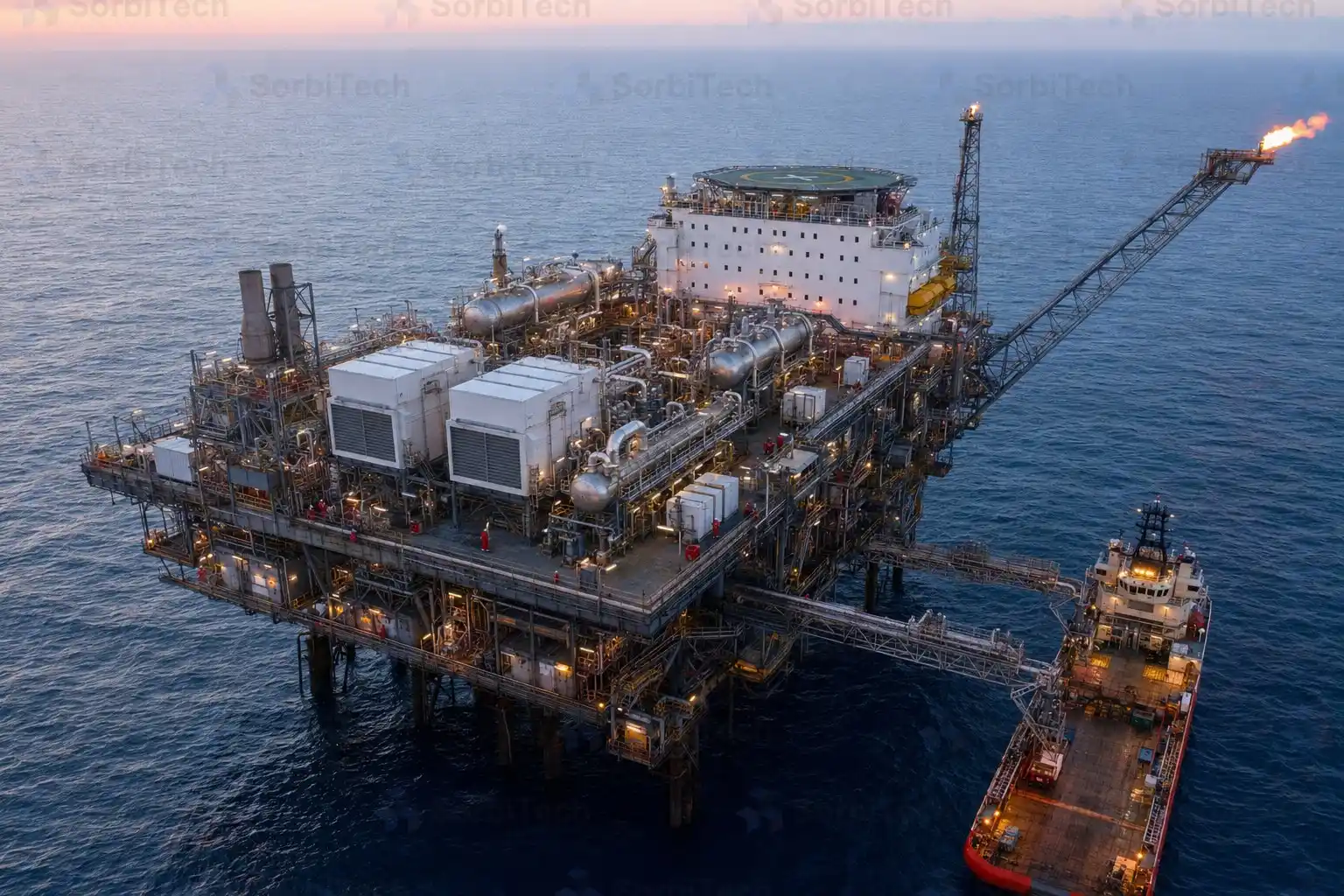
Oil & Gas
Complete dehydration, separation, and treatment across upstream, midstream, and downstream oil and gas. SorbiTech supplies the adsorbent media and the engineered systems from one…
Sector
Oil & Gas
Complete dehydration, separation, and treatment across upstream, midstream, and downstream oil and gas. SorbiTech supplies the adsorbent media and the engineered systems from one…
Specify a Solution for This Application
Provide your process conditions and our team will recommend the grade, configuration, and sizing.