
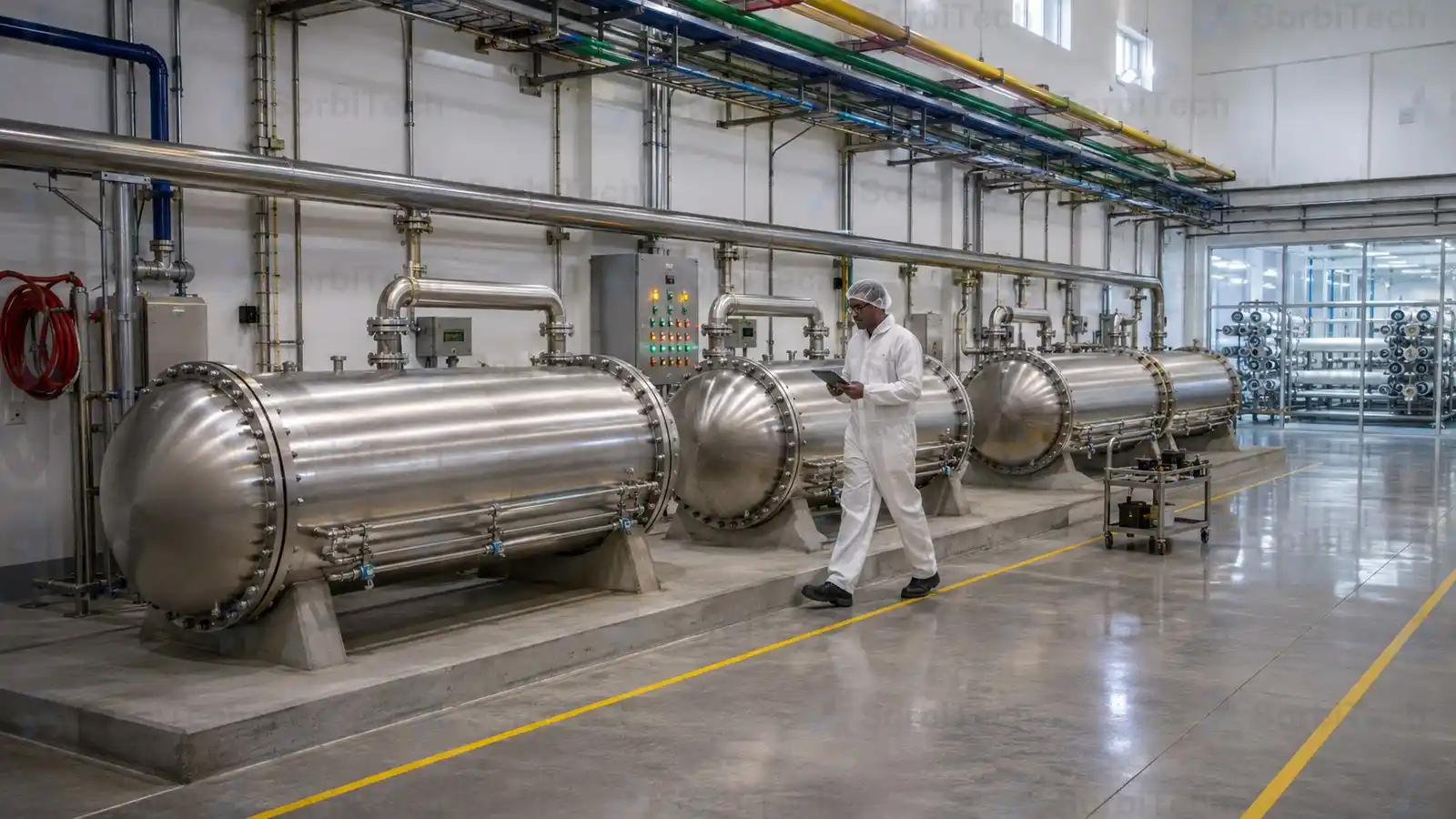
Dechlorination of Process Water
Granular activated carbon dechlorination of municipal supply water ahead of reverse osmosis, ion exchange, or chemical processing to protect downstream equipment from oxidative damage.
Dechlorination removes free chlorine and chloramine from municipal supply water using granular activated carbon in a fixed bed contactor. Outlet chlorine residual below 0.1 mg/L protects downstream reverse osmosis membranes (which fail rapidly under chlorine attack) and ion exchange resins (which oxidatively degrade) and supports chemical process tolerance limits.
Chlorine Attacks Downstream Equipment
Municipal water utilities maintain a free chlorine or chloramine residual through the distribution network to suppress microbial regrowth. The residual is typically 0.5 to 2 mg/L at the customer connection. For most industrial uses this is harmless, but for reverse osmosis (membrane), ion exchange (resin), pharmaceutical manufacturing (specification failure), and sensitive chemical processing (product oxidation), the chlorine must be removed before the water reaches the sensitive equipment.
GAC Dechlorination Mechanism
Activated carbon catalyses the decomposition of chlorine to chloride and oxygen at the carbon surface. The reaction is fast: empty bed contact times of 2 to 6 minutes deliver outlet residual chlorine below 0.1 mg/L from typical inlet concentrations. SorbiTech GAC 1240 handles the standard free chlorine duty; for chloramine reduction (slower kinetics) the SorbiTech specification recommends a higher activity grade with longer EBCT.
Bed Sizing and Service Life
SorbiTech sizes the contactor for the contracted flow, the inlet chlorine residual, and the EBCT. Service life is long: carbon mass is not consumed by the dechlorination reaction; the bed runs for several years before contaminant breakthrough forces replacement. The bed is backwashed periodically to remove fines and surface debris.
Delivery as Skid or Media
Delivered as a packaged dechlorination skid by SorbiTech or as a media supply contract for an existing contactor. Sector coverage is industrial water, pharmaceutical and life sciences, electronics manufacturing, and chemical processing.
Selection Guidance
GAC 1240 in a fixed bed contactor sized for EBCT 2 to 6 minutes. Higher activity grades for chloramine reduction (slower kinetics than free chlorine). NSF/ANSI 61 grade for drinking water contact.
A Specified, Verified Solution
Define the duty
We capture your process conditions: flow, composition, pressure, temperature, and the target outlet specification.
Select media & configuration
Our engineers recommend the adsorbent grade and system type that meet the duty with margin.
Size & engineer
Bed sizing, vessel design, and cycle parameters are engineered to your case and documented for approval.
Commission & verify
We support loading, start up, and performance verification against the guarantee.
Recommended Products & Systems
Adsorbents & Media
-
01
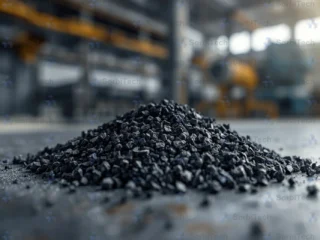 Adsorbent
Activated Carbon GAC 1240
Coal based granular activated carbon for dechlorination, taste and odour, and dissolved organics in water.
Form
12 × 40 US mesh (0.42–1.70 mm)
Adsorbent
Activated Carbon GAC 1240
Coal based granular activated carbon for dechlorination, taste and odour, and dissolved organics in water.
Form
12 × 40 US mesh (0.42–1.70 mm)
-
02
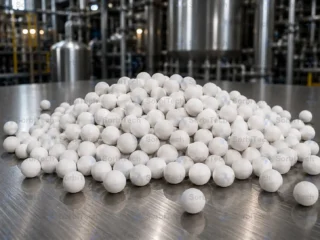 Adsorbent
Inert Alumina Balls
High purity alumina balls for high temperature catalyst bed support, thermal mass, and aggressive chemical service.
Form
3 mm · 6 mm · 13 mm · 19 mm · 25 mm
Adsorbent
Inert Alumina Balls
High purity alumina balls for high temperature catalyst bed support, thermal mass, and aggressive chemical service.
Form
3 mm · 6 mm · 13 mm · 19 mm · 25 mm
-
03
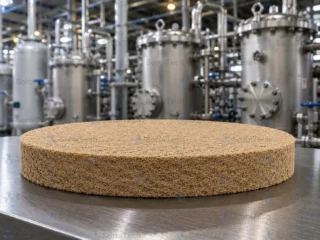 Adsorbent
Compression Pads and Hold Down Mats
Ceramic fibre and wire mesh hold down at the adsorber bed top to prevent fluidisation and attrition.
Form
Sized to vessel internal diameter; thicknesses 50 to 200 mm
Adsorbent
Compression Pads and Hold Down Mats
Ceramic fibre and wire mesh hold down at the adsorber bed top to prevent fluidisation and attrition.
Form
Sized to vessel internal diameter; thicknesses 50 to 200 mm
-
04
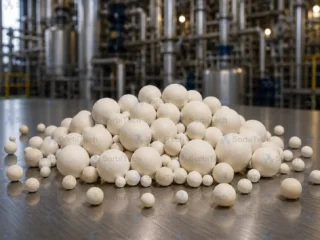 Adsorbent
Ceramic Support Balls
Inert ceramic balls for adsorber bed support, flow distribution, and graded bed transitions.
Form
3 mm · 6 mm · 13 mm · 19 mm · 25 mm · custom
Adsorbent
Ceramic Support Balls
Inert ceramic balls for adsorber bed support, flow distribution, and graded bed transitions.
Form
3 mm · 6 mm · 13 mm · 19 mm · 25 mm · custom
-
05
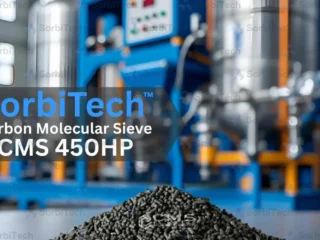 Adsorbent
Carbon Molecular Sieve CMS 450HP
Ultra high purity carbon molecular sieve. 99.99999 percent (7N) N2, selective O2 and CO2 capture, 1.0 to 1.6 mm pellets, minimal fines, deoxo polishing…
Water Cap.
Feed must reach ISO 8573 class 1.4.1, deoxo polishing recommended for 7N %
Adsorbent
Carbon Molecular Sieve CMS 450HP
Ultra high purity carbon molecular sieve. 99.99999 percent (7N) N2, selective O2 and CO2 capture, 1.0 to 1.6 mm pellets, minimal fines, deoxo polishing…
Water Cap.
Feed must reach ISO 8573 class 1.4.1, deoxo polishing recommended for 7N %
-
06
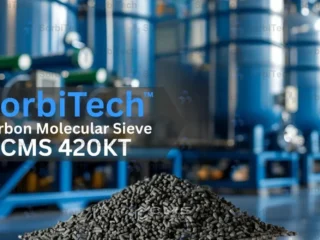 Adsorbent
Carbon Molecular Sieve CMS 420KT
High efficiency carbon molecular sieve. Higher oxygen affinity under 7 to 12 barg, 1.2 to 1.8 mm pellets, Snowstorm Filling compatible, ASTM D4058 attrition…
Water Cap.
Feed must reach ISO 8573 class 1.4.1 %
Adsorbent
Carbon Molecular Sieve CMS 420KT
High efficiency carbon molecular sieve. Higher oxygen affinity under 7 to 12 barg, 1.2 to 1.8 mm pellets, Snowstorm Filling compatible, ASTM D4058 attrition…
Water Cap.
Feed must reach ISO 8573 class 1.4.1 %
Engineered Systems
-
01
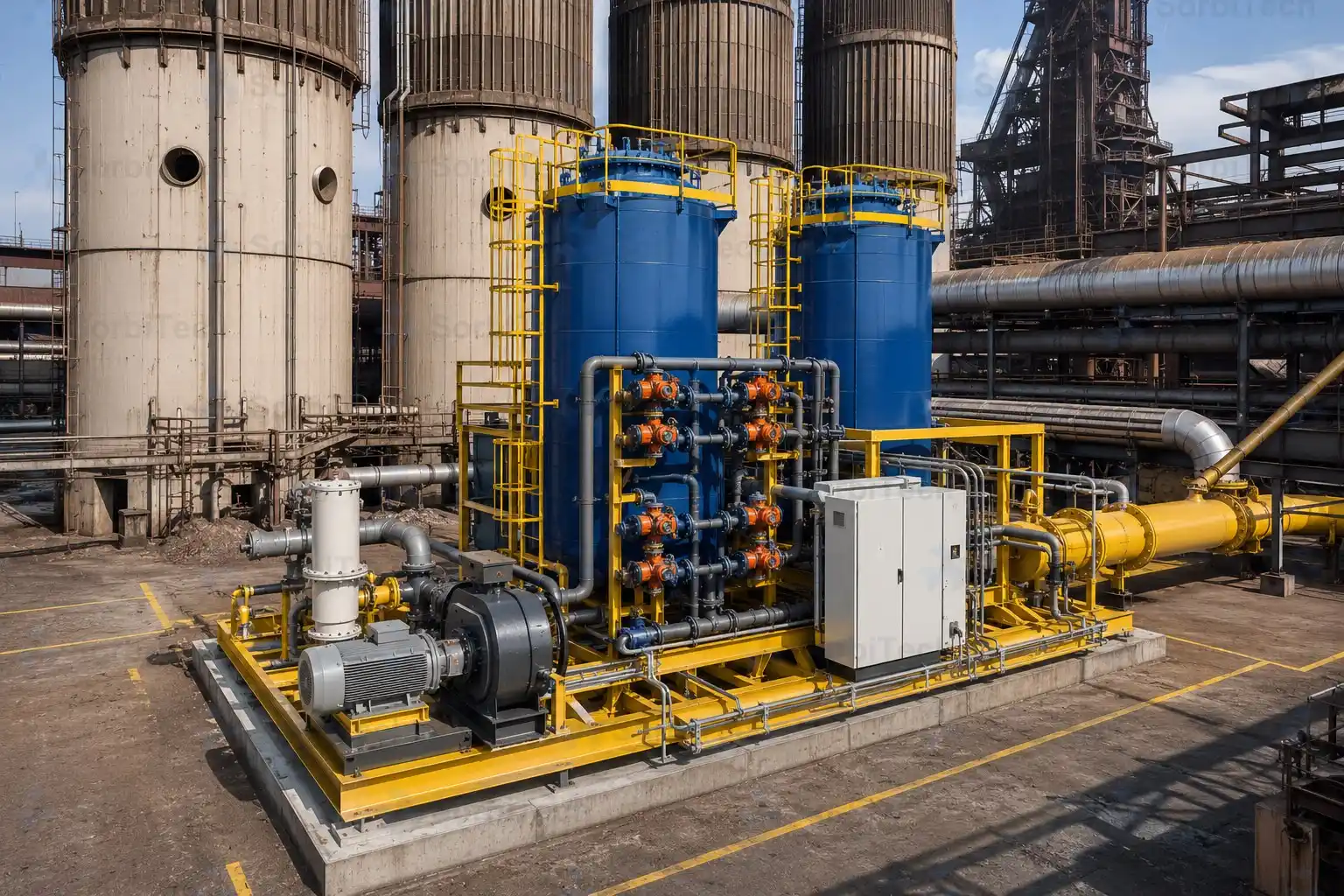 Equipment
Oxygen VPSA Package
On site vacuum pressure swing adsorption (VPSA) oxygen generation package delivering 90 to 95 percent oxygen for medical, aquaculture, ozone generation, and metals applications.
Capacity
50–2,500 Nm³/h O₂ (90–95 % purity)
Equipment
Oxygen VPSA Package
On site vacuum pressure swing adsorption (VPSA) oxygen generation package delivering 90 to 95 percent oxygen for medical, aquaculture, ozone generation, and metals applications.
Capacity
50–2,500 Nm³/h O₂ (90–95 % purity)
-
02
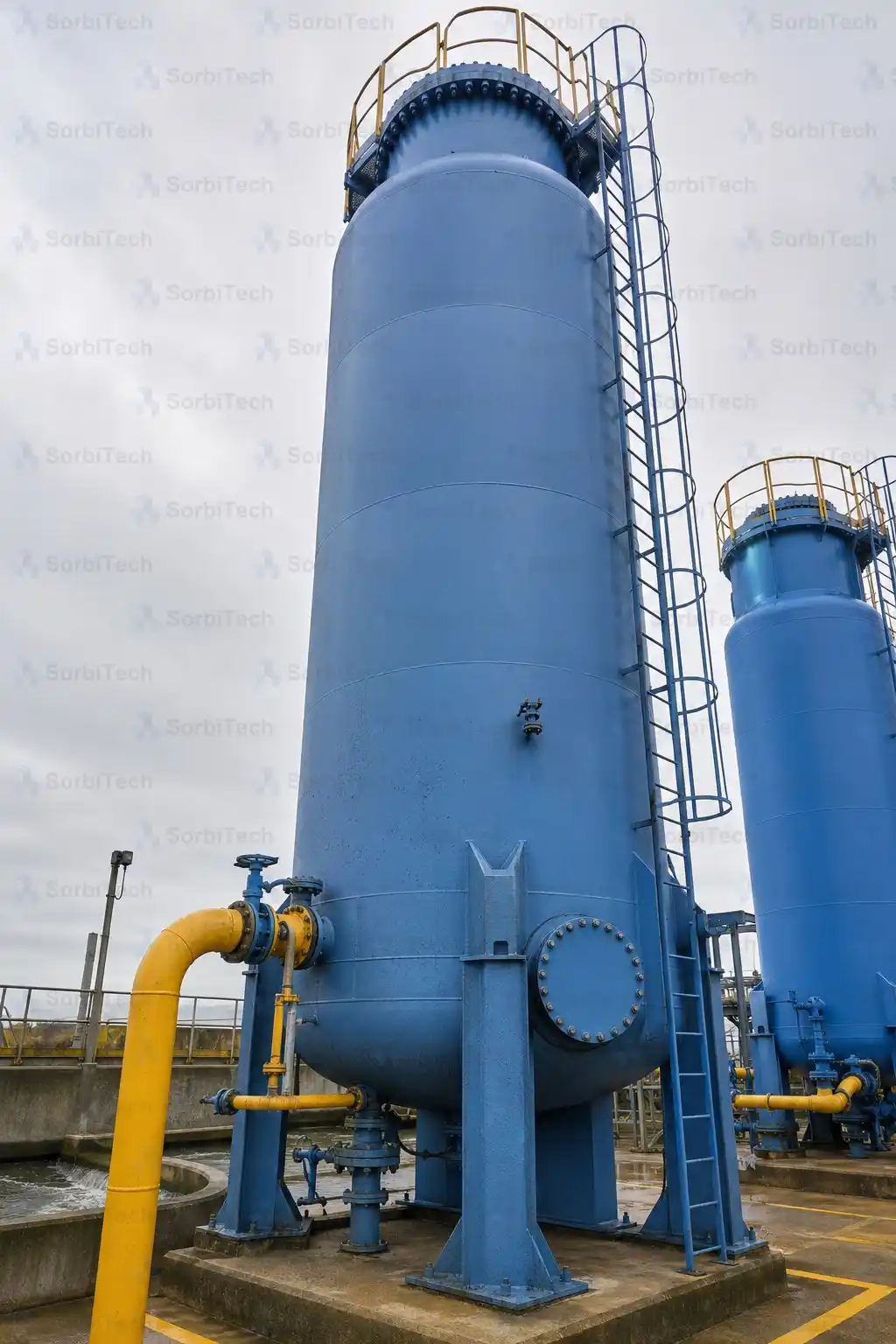 Equipment
Activated Carbon Water Contactor
Granular activated carbon fixed bed water contactor for dechlorination, taste and odour, dissolved organic carbon, and emerging contaminant polishing in drinking water and process…
Capacity
5–2,000 m³/h
Equipment
Activated Carbon Water Contactor
Granular activated carbon fixed bed water contactor for dechlorination, taste and odour, dissolved organic carbon, and emerging contaminant polishing in drinking water and process…
Capacity
5–2,000 m³/h
-
03
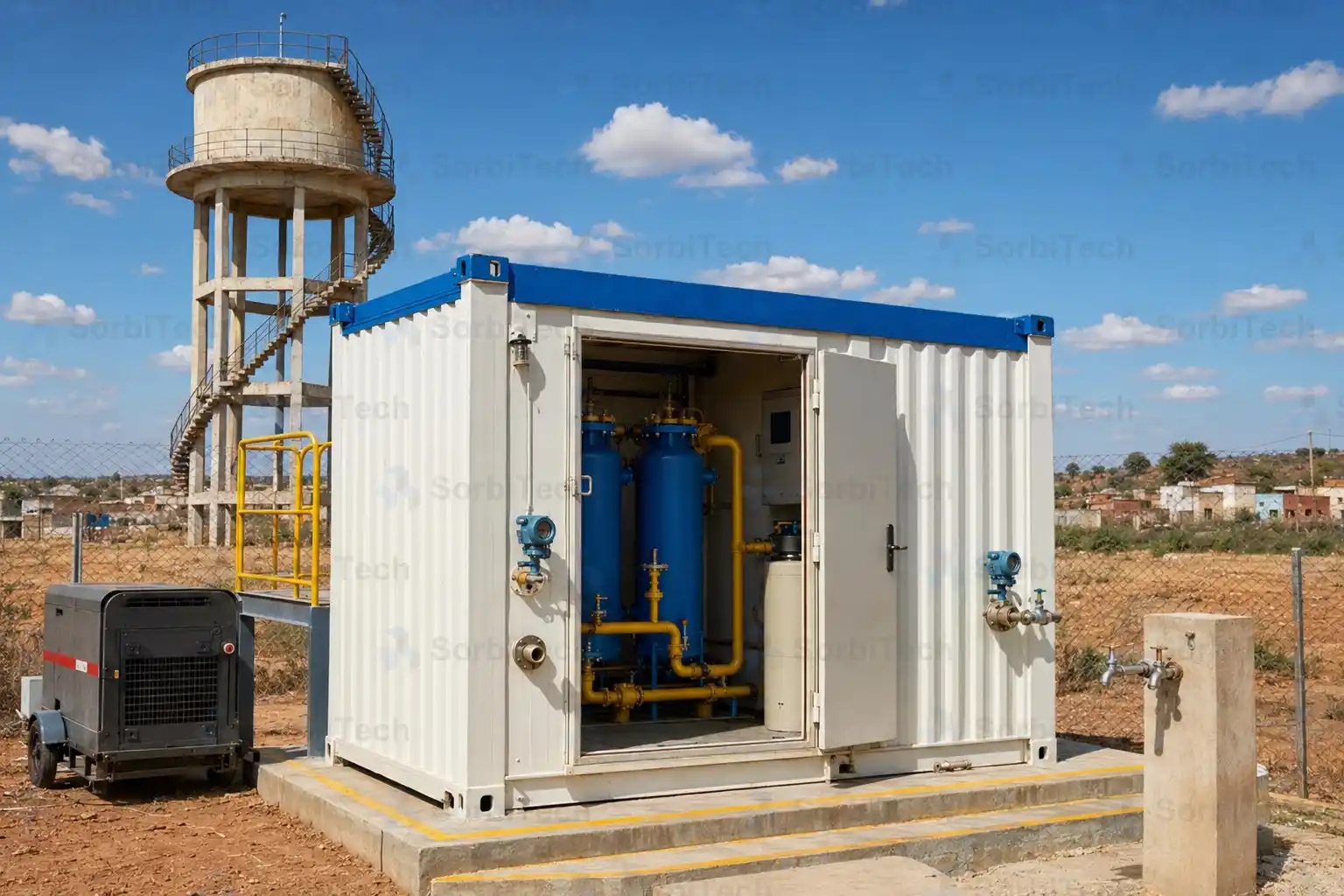 Equipment
Community Defluoridation Treatment Unit
Containerised activated alumina defluoridation unit for community and decentralised drinking water supply to the WHO guideline of 1.5 mg per litre.
Capacity
0.5–50 m³/h
Equipment
Community Defluoridation Treatment Unit
Containerised activated alumina defluoridation unit for community and decentralised drinking water supply to the WHO guideline of 1.5 mg per litre.
Capacity
0.5–50 m³/h
-
04
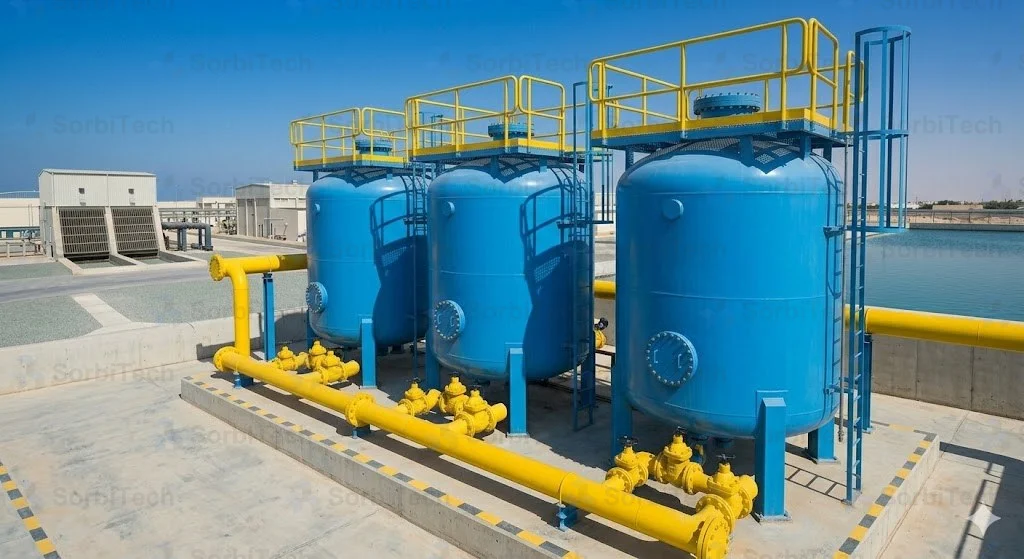 Equipment
Multi Media Filter
Multi media filter for suspended solids and turbidity removal upstream of activated carbon polishing, reverse osmosis, or process reuse in water treatment trains.
Capacity
5–500 m³/h
Equipment
Multi Media Filter
Multi media filter for suspended solids and turbidity removal upstream of activated carbon polishing, reverse osmosis, or process reuse in water treatment trains.
Capacity
5–500 m³/h
-
05
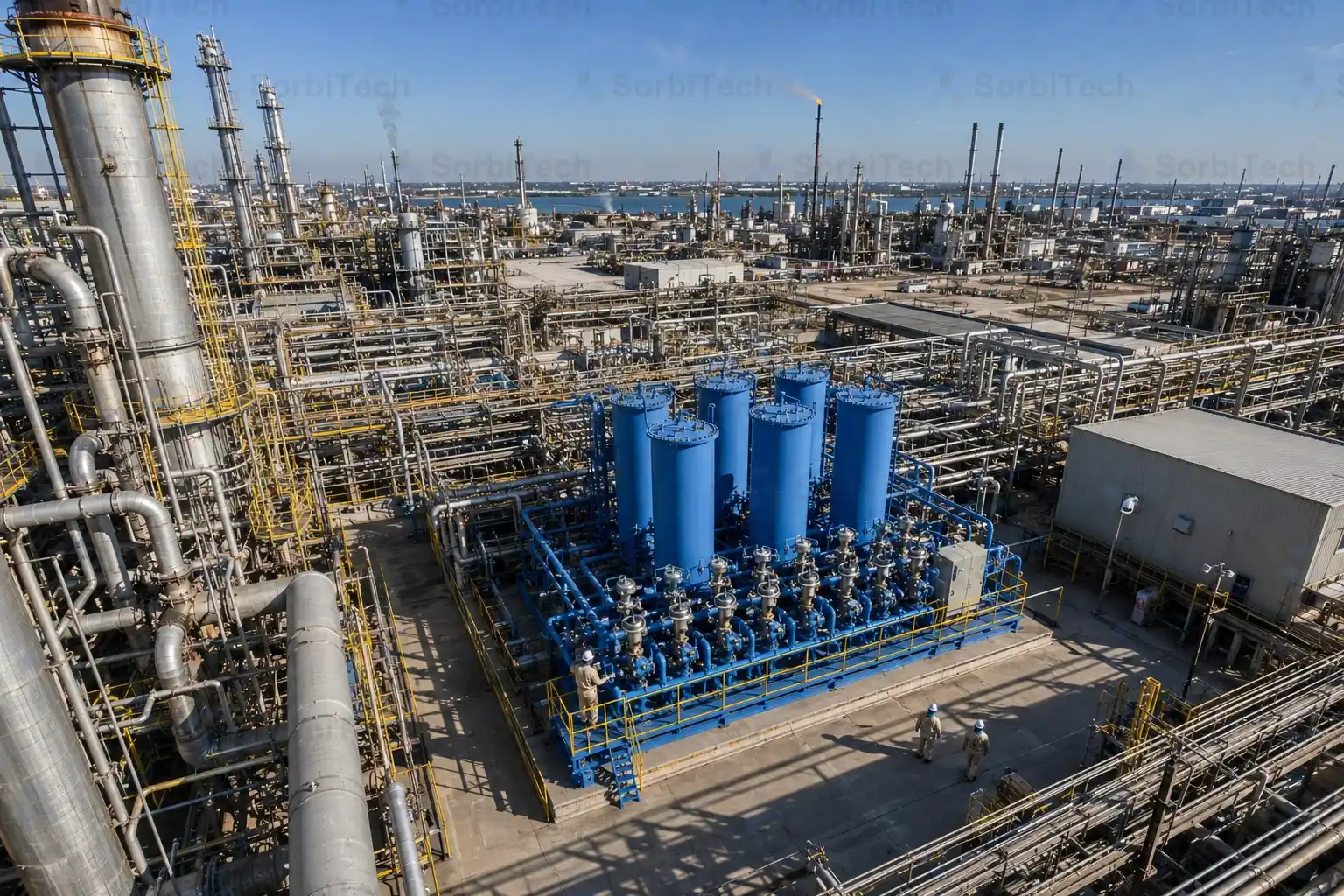 Equipment
Hydrogen PSA Purification Package
On site hydrogen PSA package using a layered adsorbent bed for high purity hydrogen recovery from steam methane reformer off gas or electrolyser product.
Capacity
50–50,000 Nm³/h H₂
Equipment
Hydrogen PSA Purification Package
On site hydrogen PSA package using a layered adsorbent bed for high purity hydrogen recovery from steam methane reformer off gas or electrolyser product.
Capacity
50–50,000 Nm³/h H₂
-
06
 Equipment
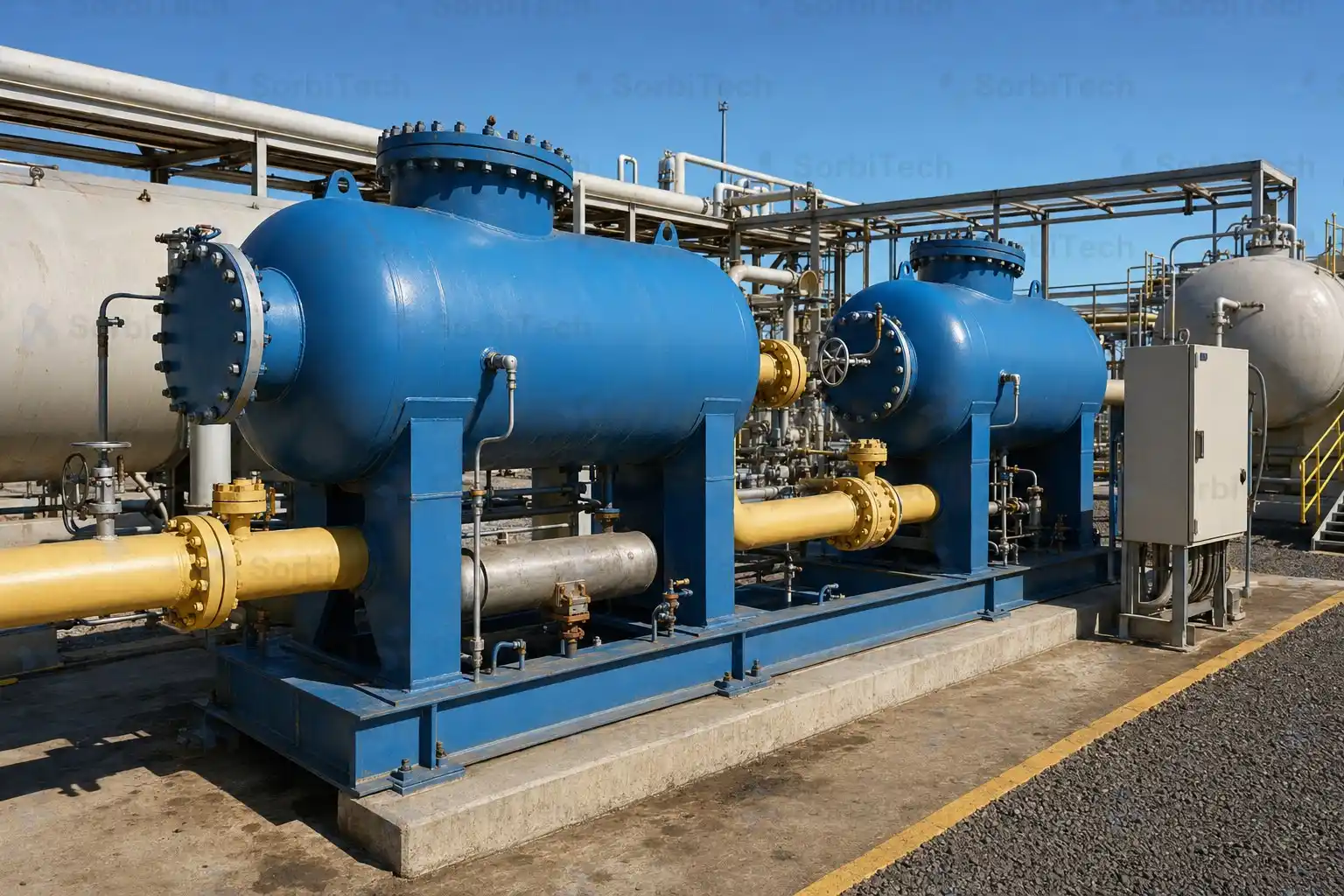
Coalescing Filtration Skid
Two stage coalescer and separator skid that removes fine dispersed hydrocarbons and solids from water down to single digit ppm. It is the polishing…
Capacity
2–200 m³/h
Equipment
Coalescing Filtration Skid
Two stage coalescer and separator skid that removes fine dispersed hydrocarbons and solids from water down to single digit ppm. It is the polishing…
Capacity
2–200 m³/h
Industries Using This Application
-
01
 Sector
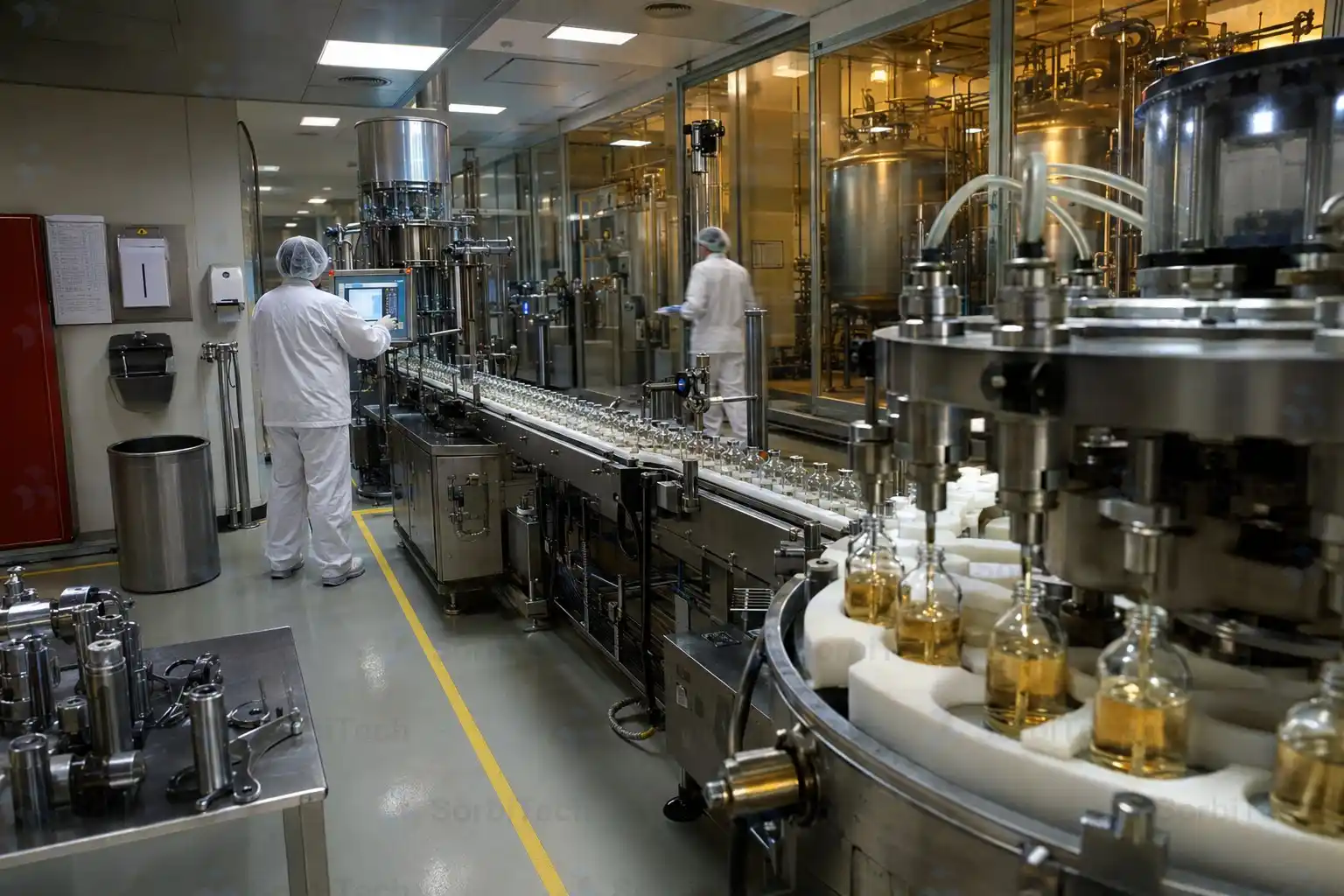
Pharmaceutical & Life Sciences
USP and EP grade adsorbent media for API purification, GMP compliant nitrogen generation, and controlled humidity packaging desiccants for the pharmaceutical sector.
Sector
Pharmaceutical & Life Sciences
USP and EP grade adsorbent media for API purification, GMP compliant nitrogen generation, and controlled humidity packaging desiccants for the pharmaceutical sector.
-
02
 Sector
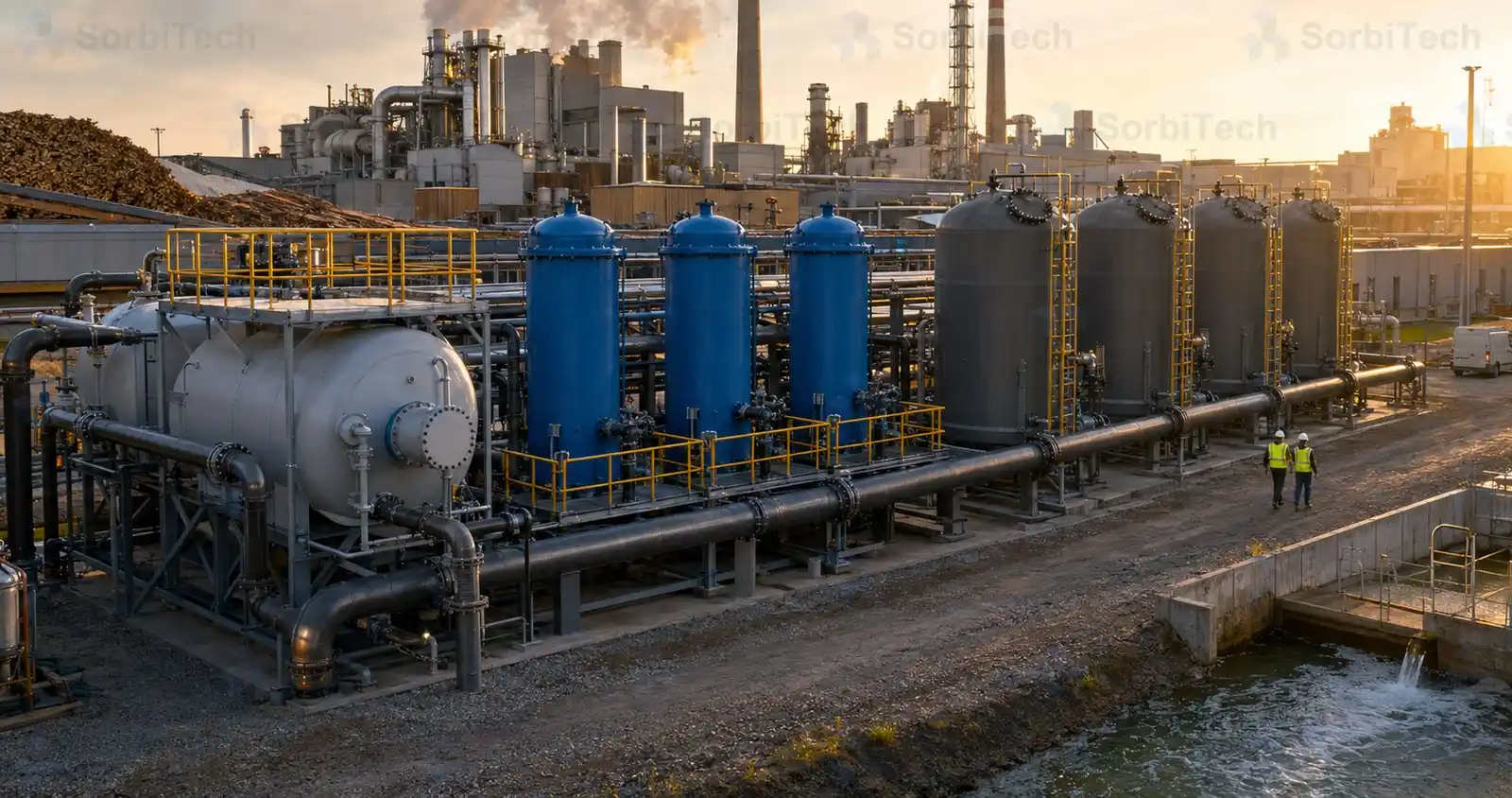
Industrial Water Treatment
Process water polishing, cooling tower blowdown, boiler feedwater, and groundwater remediation served by SorbiTech adsorbent media and engineered treatment skids.
Sector
Industrial Water Treatment
Process water polishing, cooling tower blowdown, boiler feedwater, and groundwater remediation served by SorbiTech adsorbent media and engineered treatment skids.
Specify a Solution for This Application
Provide your process conditions and our team will recommend the grade, configuration, and sizing.