
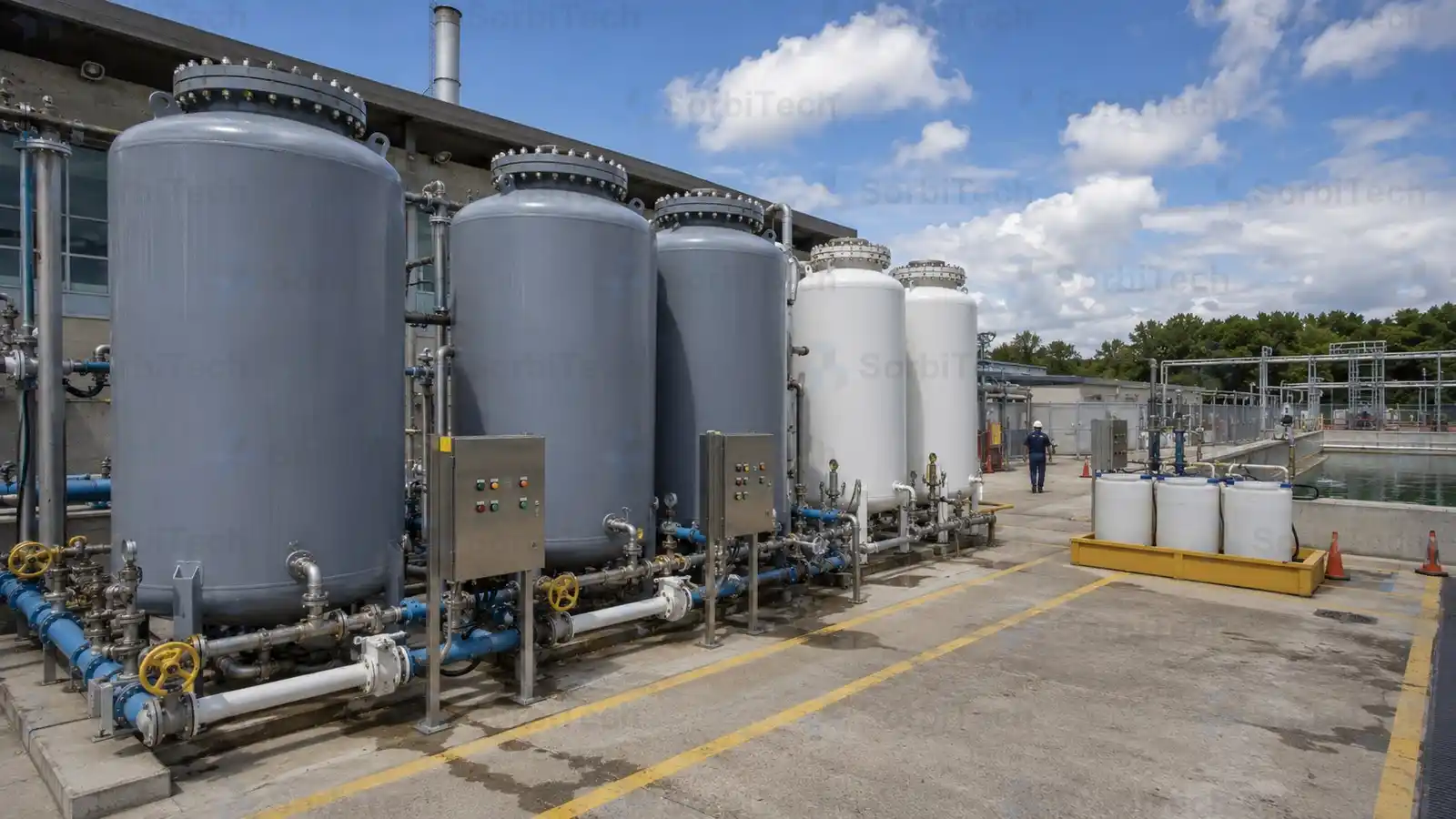
PFAS Removal from Water
Granular activated carbon and specialty media for per and polyfluoroalkyl substance (PFAS) removal from drinking water, industrial process water, and remediation projects to meet emerging regulatory limits.
PFAS removal uses granular activated carbon (effective for short and medium chain PFAS) or specialty fluorinated ion exchange resin (effective for short chain PFAS) to remove per and polyfluoroalkyl substances from drinking water, industrial process water, and contaminated site remediation. Outlet meets emerging regulator limits in the parts per trillion range.
PFAS Regulation Is Tightening Globally
Per and polyfluoroalkyl substances (PFAS), PFOA, PFOS, and a wider family of fluorinated compounds, persist in the environment indefinitely and bioaccumulate in human tissue. The US EPA finalised drinking water maximum contaminant levels at 4 ng/L for PFOA and PFOS in 2024; the EU Drinking Water Directive 2020/2184 sets parallel limits; several national consents tighten further. Utilities and industrial operators face mandatory monitoring and increasingly mandatory removal.
GAC and Specialty Resin Removal Routes
Two adsorption technologies dominate PFAS removal. Granular activated carbon (high activity grades, including the SorbiTech GAC 1240) is highly effective for the long chain PFAS (PFOA, PFOS) and moderately effective for medium chain. Specialty fluorinated ion exchange resin is highly effective for the short chain PFAS (GenX, ADONA, HFPO-DA) where carbon performance falls off. The combined train delivers comprehensive PFAS removal at the regulatory limits.
Sizing and Bed Configuration
Empty bed contact time of 10 to 20 minutes is typical for general PFAS polishing. Deeper beds at the same EBCT give longer service life because the mass transfer zone is a smaller fraction of the bed volume. The polishing carbon bed sits downstream of conventional clarification and filtration; the specialty resin polishes downstream of the carbon where short chain PFAS dominate the residual.
Spent Media Disposal
Spent PFAS loaded carbon and resin require licensed thermal destruction or secure landfill under the regional hazardous waste regulation; PFAS cannot be simply discharged or reactivated at standard temperature. SorbiTech provides the spent media collection and the licensed disposal route under the operator hazardous waste manifest. Sector coverage is municipal water and industrial water treatment.
Selection Guidance
GAC 1240 (or higher activity grades) for long chain PFAS removal. Specialty fluorinated ion exchange resin downstream for short chain PFAS polishing. EBCT 10 to 20 minutes for general polishing.
A Specified, Verified Solution
Define the duty
We capture your process conditions: flow, composition, pressure, temperature, and the target outlet specification.
Select media & configuration
Our engineers recommend the adsorbent grade and system type that meet the duty with margin.
Size & engineer
Bed sizing, vessel design, and cycle parameters are engineered to your case and documented for approval.
Commission & verify
We support loading, start up, and performance verification against the guarantee.
Recommended Products & Systems
Adsorbents & Media
-
01
 Adsorbent
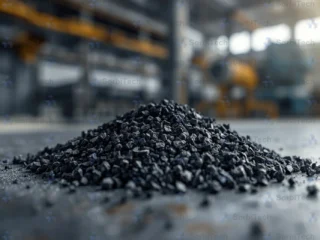
Activated Carbon GAC 1240
Coal based granular activated carbon for dechlorination, taste and odour, and dissolved organics in water.
Form
12 × 40 US mesh (0.42–1.70 mm)
Adsorbent
Activated Carbon GAC 1240
Coal based granular activated carbon for dechlorination, taste and odour, and dissolved organics in water.
Form
12 × 40 US mesh (0.42–1.70 mm)
-
02
 Adsorbent
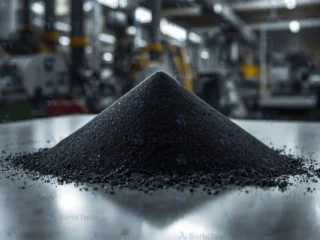
Powdered Activated Carbon
Fine powder carbon for slurry dosing in water treatment, sugar decolorization, pharmaceutical purification, and emergency contamination response.
Form
200×325 mesh (45–75 µm)
Adsorbent
Powdered Activated Carbon
Fine powder carbon for slurry dosing in water treatment, sugar decolorization, pharmaceutical purification, and emergency contamination response.
Form
200×325 mesh (45–75 µm)
-
03
 Adsorbent
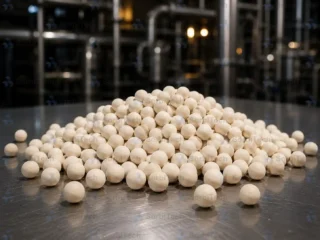
AloxSorb F
High performance activated alumina for vapor and liquid phase adsorption, drying, purification, and guard bed service.
Water Cap.
≥ 18 %
Adsorbent
AloxSorb F
High performance activated alumina for vapor and liquid phase adsorption, drying, purification, and guard bed service.
Water Cap.
≥ 18 %
Engineered Systems
-
01
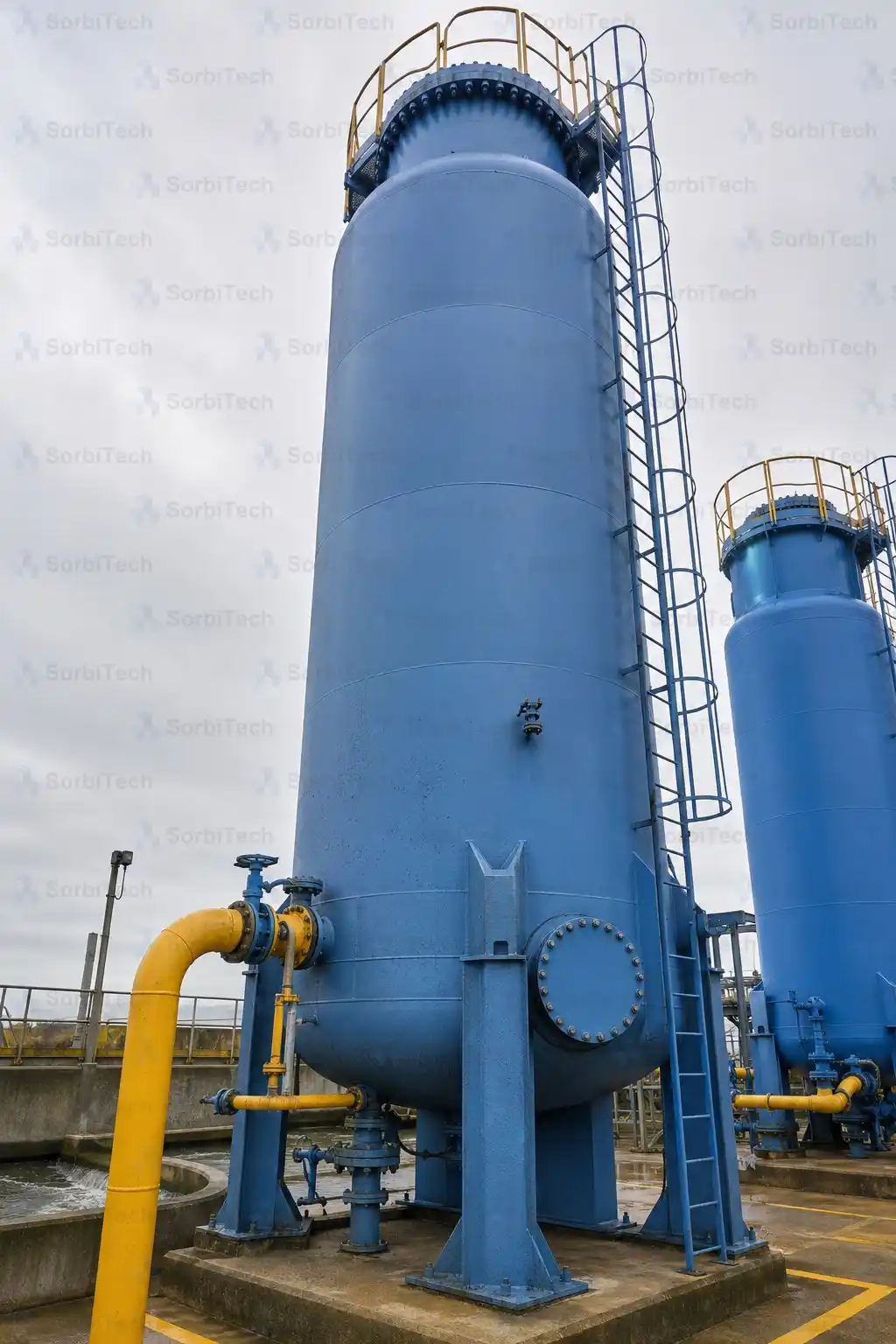 Equipment
Activated Carbon Water Contactor
Granular activated carbon fixed bed water contactor for dechlorination, taste and odour, dissolved organic carbon, and emerging contaminant polishing in drinking water and process…
Capacity
5–2,000 m³/h
Equipment
Activated Carbon Water Contactor
Granular activated carbon fixed bed water contactor for dechlorination, taste and odour, dissolved organic carbon, and emerging contaminant polishing in drinking water and process…
Capacity
5–2,000 m³/h
-
02
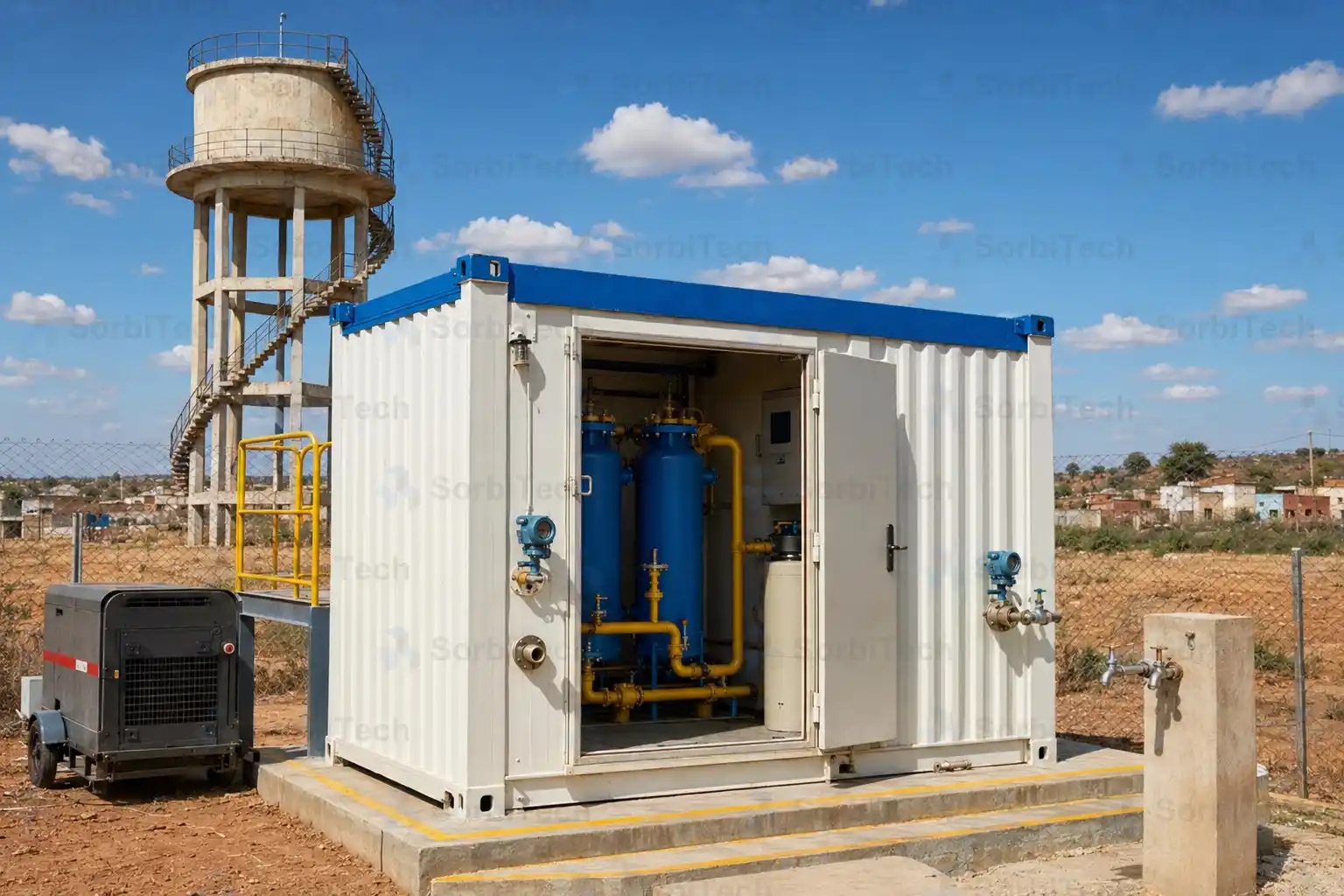 Equipment
Community Defluoridation Treatment Unit
Containerised activated alumina defluoridation unit for community and decentralised drinking water supply to the WHO guideline of 1.5 mg per litre.
Capacity
0.5–50 m³/h
Equipment
Community Defluoridation Treatment Unit
Containerised activated alumina defluoridation unit for community and decentralised drinking water supply to the WHO guideline of 1.5 mg per litre.
Capacity
0.5–50 m³/h
-
03
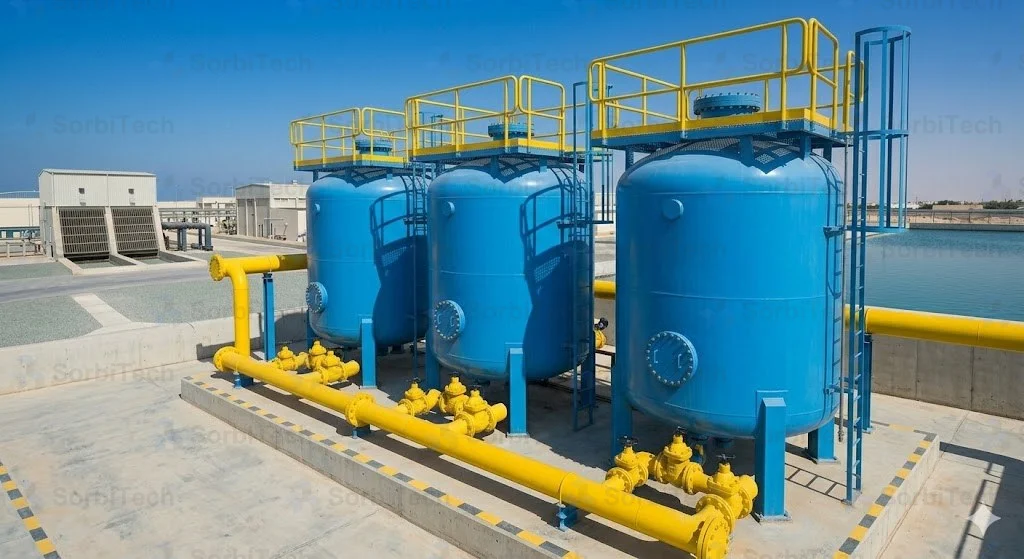 Equipment
Multi Media Filter
Multi media filter for suspended solids and turbidity removal upstream of activated carbon polishing, reverse osmosis, or process reuse in water treatment trains.
Capacity
5–500 m³/h
Equipment
Multi Media Filter
Multi media filter for suspended solids and turbidity removal upstream of activated carbon polishing, reverse osmosis, or process reuse in water treatment trains.
Capacity
5–500 m³/h
-
04
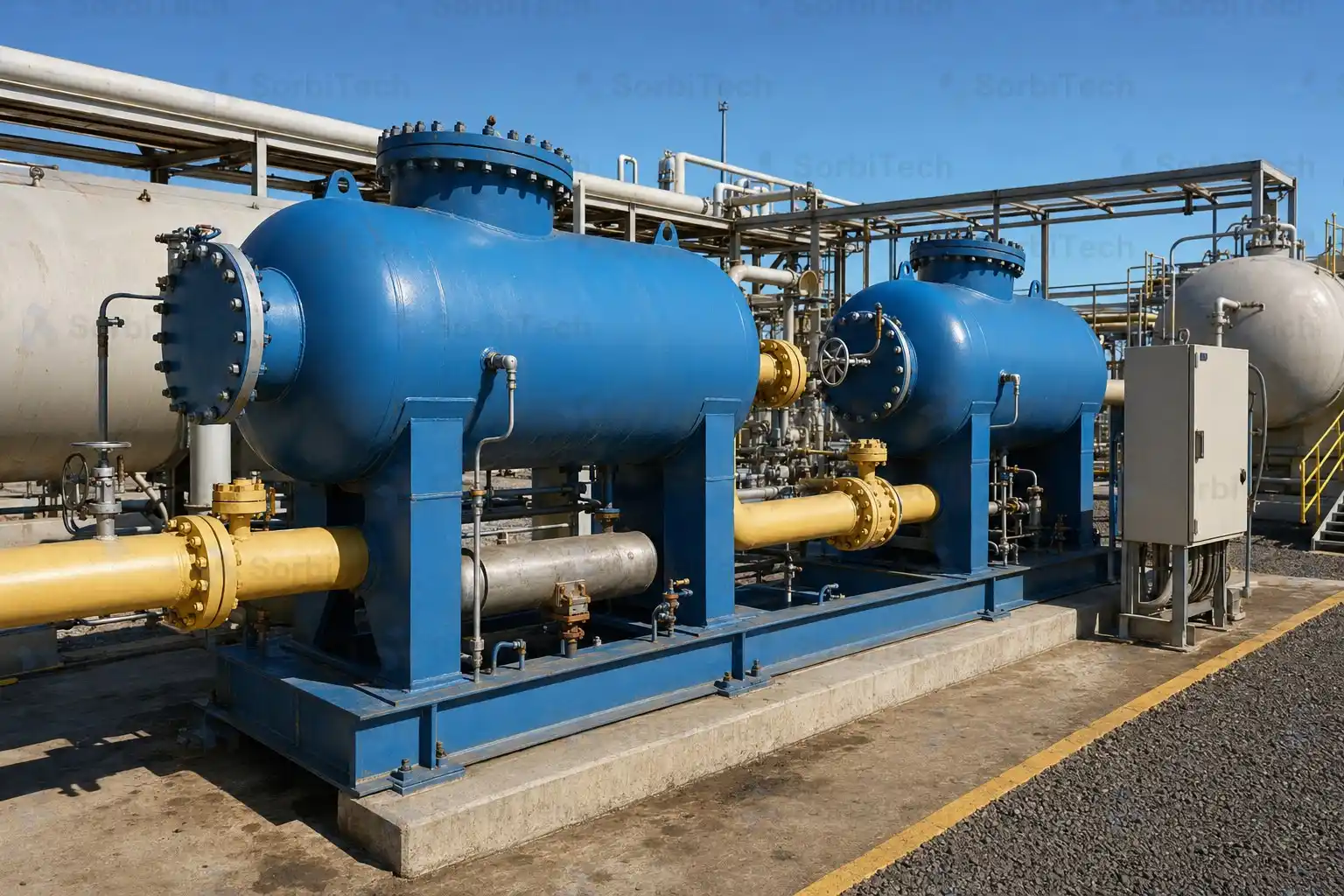 Equipment
Coalescing Filtration Skid
Two stage coalescer and separator skid that removes fine dispersed hydrocarbons and solids from water down to single digit ppm. It is the polishing…
Capacity
2–200 m³/h
Equipment
Coalescing Filtration Skid
Two stage coalescer and separator skid that removes fine dispersed hydrocarbons and solids from water down to single digit ppm. It is the polishing…
Capacity
2–200 m³/h
Industries Using This Application
-
01
 Sector
Industrial Water Treatment
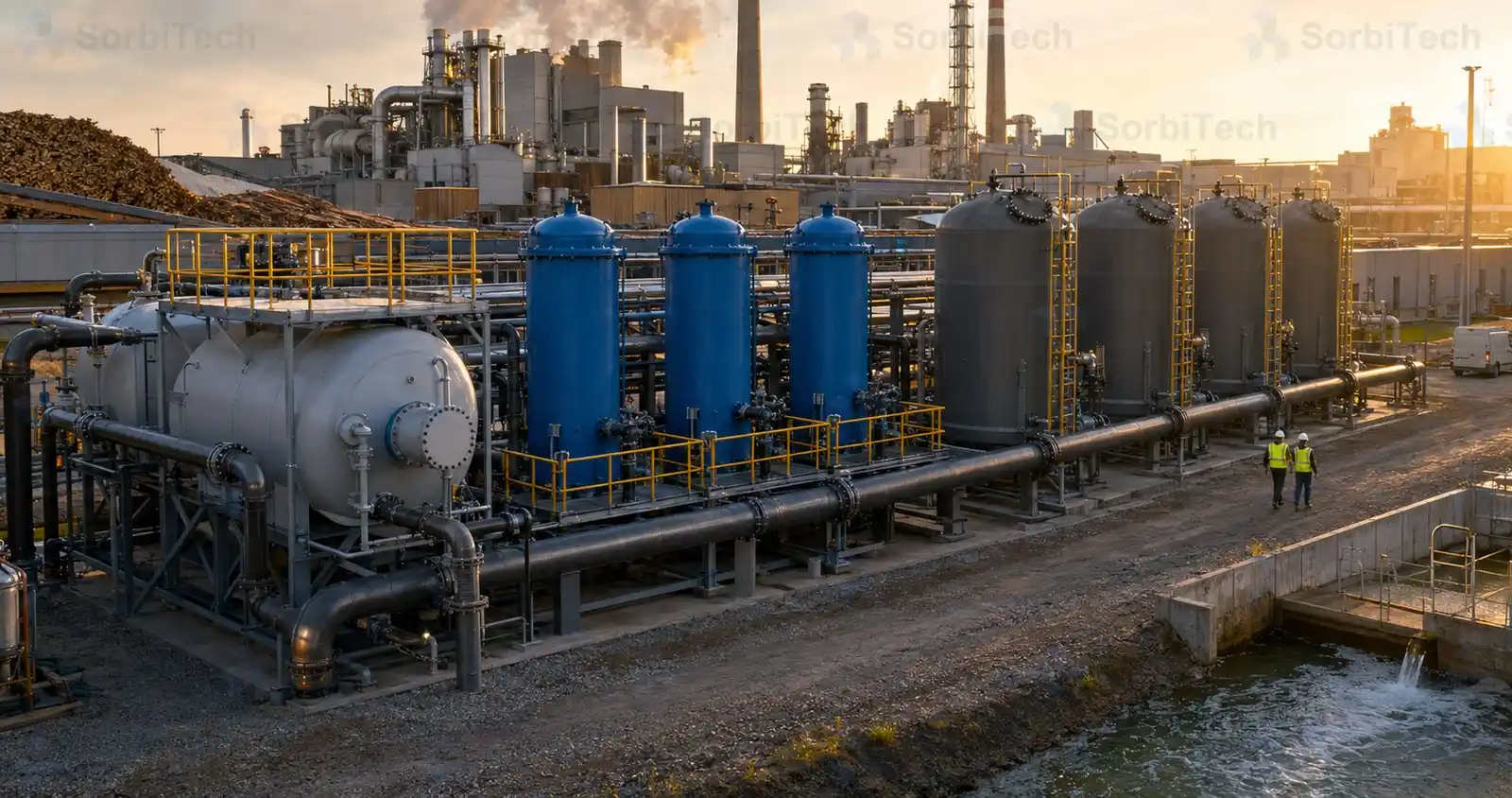
Process water polishing, cooling tower blowdown, boiler feedwater, and groundwater remediation served by SorbiTech adsorbent media and engineered treatment skids.
Sector
Industrial Water Treatment
Process water polishing, cooling tower blowdown, boiler feedwater, and groundwater remediation served by SorbiTech adsorbent media and engineered treatment skids.
-
02
 Sector
Municipal Water Treatment
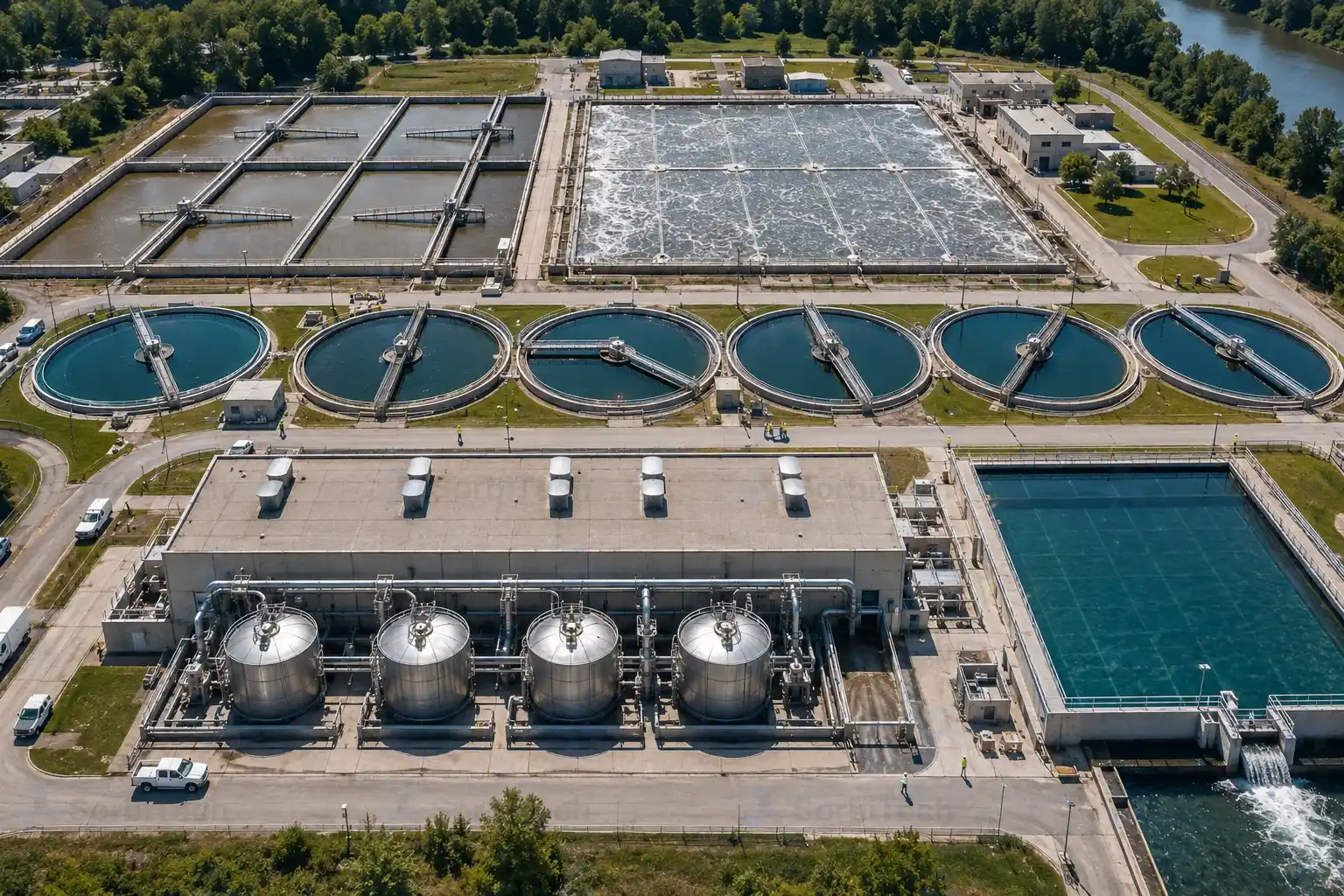
Activated carbon and activated alumina for taste and odour, dechlorination, and fluoride removal in drinking water treatment. NSF eligible media and complete treatment units.
Sector
Municipal Water Treatment
Activated carbon and activated alumina for taste and odour, dechlorination, and fluoride removal in drinking water treatment. NSF eligible media and complete treatment units.
Specify a Solution for This Application
Provide your process conditions and our team will recommend the grade, configuration, and sizing.