
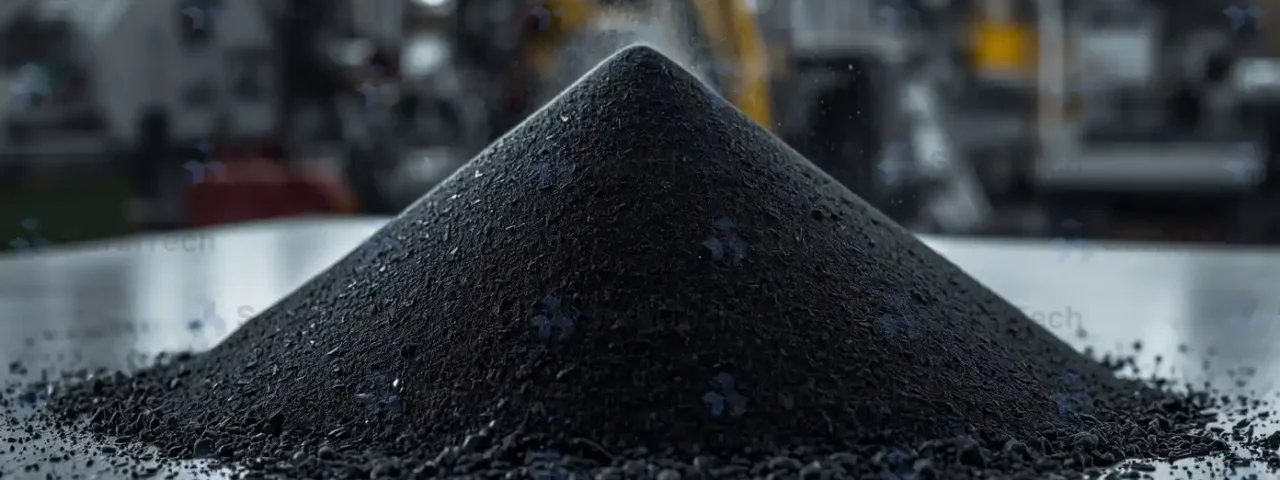
Powdered Activated Carbon
Fine powder carbon for slurry dosing in water treatment, sugar decolorization, pharmaceutical purification, and emergency contamination response.
Powdered Activated Carbon, or PAC, is a fine activated carbon powder with a particle size below 75 microns. It is dosed as a slurry directly into the water or process stream, contacted briefly, then removed by filtration. The grade is the standard adsorbent for sugar decolorization, pharmaceutical purification, and emergency response to taste, odour, and pesticide spikes in drinking water.
NSF/ANSI 61 eligible · USP/EP grades available · ISO 9001:2015
ASTM D4607, ASTM E1655
SorbiTech, Middle East
COA per lot · methylene blue and decolorization tests

Fine Powder for Direct Slurry Contact
SorbiTech Powdered Activated Carbon, or PAC, is a fine carbon powder produced from selected wood, coal, or coconut precursors. The particle size below 75 microns gives a very high external surface area, which translates into fast mass transfer kinetics under direct contact with the water or process liquid.
PAC is not used in a fixed bed. The powder is dosed as a slurry into the contact tank or pipeline, given a few minutes of mixing to load the contaminant, then removed downstream by a coagulation, sedimentation, or membrane filtration step.
Drinking Water Response to Spikes
PAC is the standard utility response to a sudden taste and odour event, a pesticide spike from agricultural run off, or an algal bloom that releases geosmin and 2 methyl isoborneol into the source water. The utility holds a stock of SorbiTech PAC, dosing equipment, and a written response procedure; the dose is started within hours of the event detection and the treated water continues to meet the regulated taste and odour parameters.
PAC also serves as a continuous treatment where the contaminant load is low and a fixed bed would be uneconomic, and as the polishing step in conjunction with granular carbon for the worst case events.
Sugar, Pharmaceutical, and Process Decolorization
In the sugar industry the SorbiTech PAC removes the colour bodies generated during cane and beet processing, lifting the final product to the contracted ICUMSA colour grade. In pharmaceutical manufacturing, USP and EP grade PAC purifies active ingredients and excipients by removing trace impurities, colour, and pyrogens.
Both duties exploit the same fast slurry contact: load the powder, mix, hold, then filter. The recovered powder carries the captured contaminant and is sent to single use disposal under the food or pharmaceutical waste classification.
Grade Selection by Decolorization Test
PAC grade selection is driven by laboratory decolorization tests on the actual stream, not by the iodine number alone. The standard test loads the stream with increasing doses of carbon, measures the residual colour or contaminant, and identifies the dose that achieves the target. SorbiTech runs the test in the SorbiTech laboratory and recommends the matching grade with full backup data.
Forms and Supply
Manufactured to ISO 9001:2015 in food and pharmaceutical grades, with a certificate of analysis per lot covering iodine, methylene blue, decolorization, moisture, and ash. Standard packaging is 25 kg bags; sterilised packaging is available for pharmaceutical and infant nutrition duty. PAC supports SorbiTech response to taste, odour, and pesticide spikes in drinking water treatment and decolorization in the food and beverage sector; see the parent activated carbon family.
Process Applications
-
01
 Process Duty
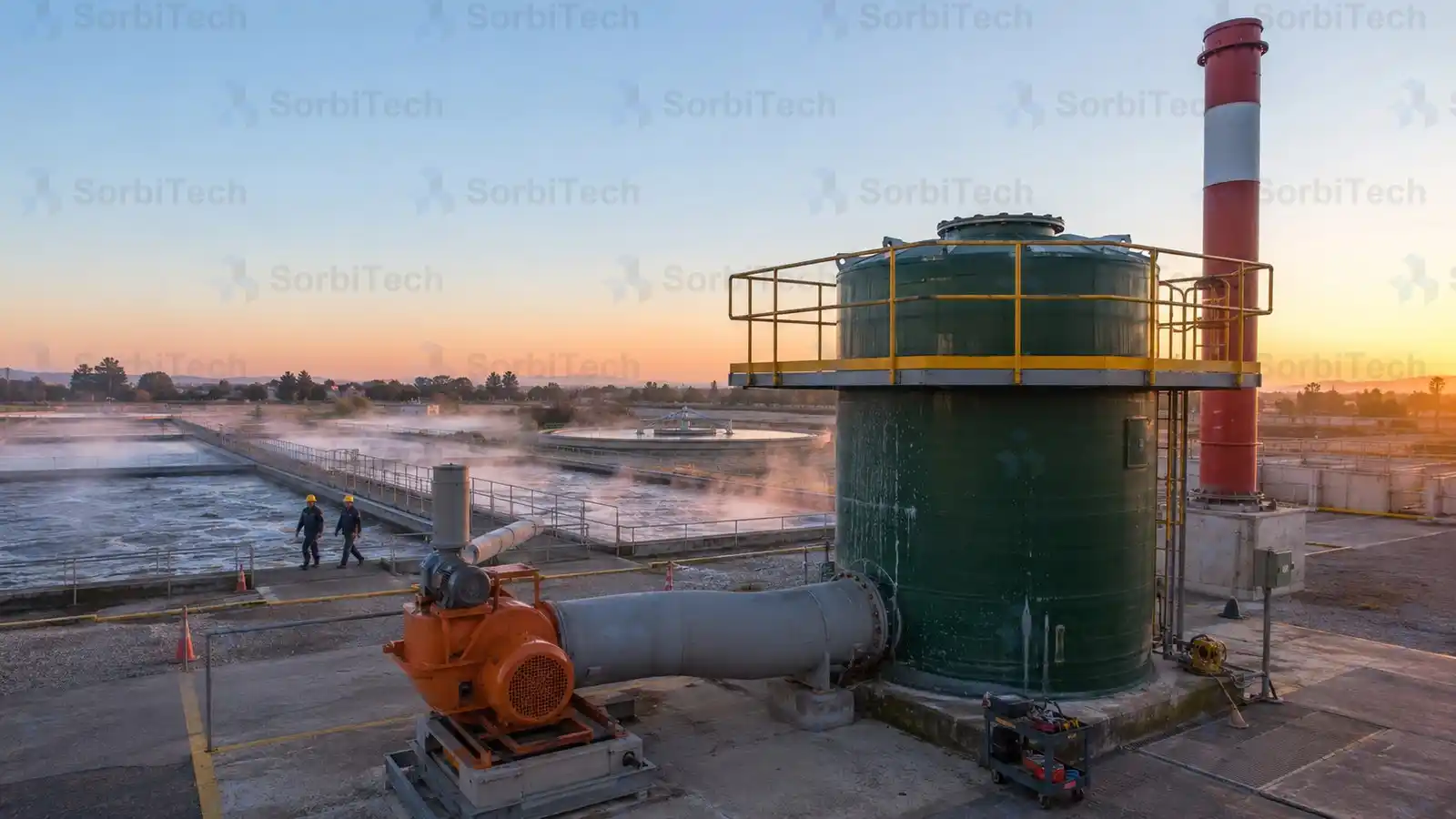
Industrial Odor and Air Stream Carbon Filtration
Pellet and impregnated activated carbon filters for industrial odor control on wastewater treatment plant vents, sewage pumping stations, food processing exhausts, and manufacturing odor…
Process Duty
Industrial Odor and Air Stream Carbon Filtration
Pellet and impregnated activated carbon filters for industrial odor control on wastewater treatment plant vents, sewage pumping stations, food processing exhausts, and manufacturing odor…
-
02
 Process Duty
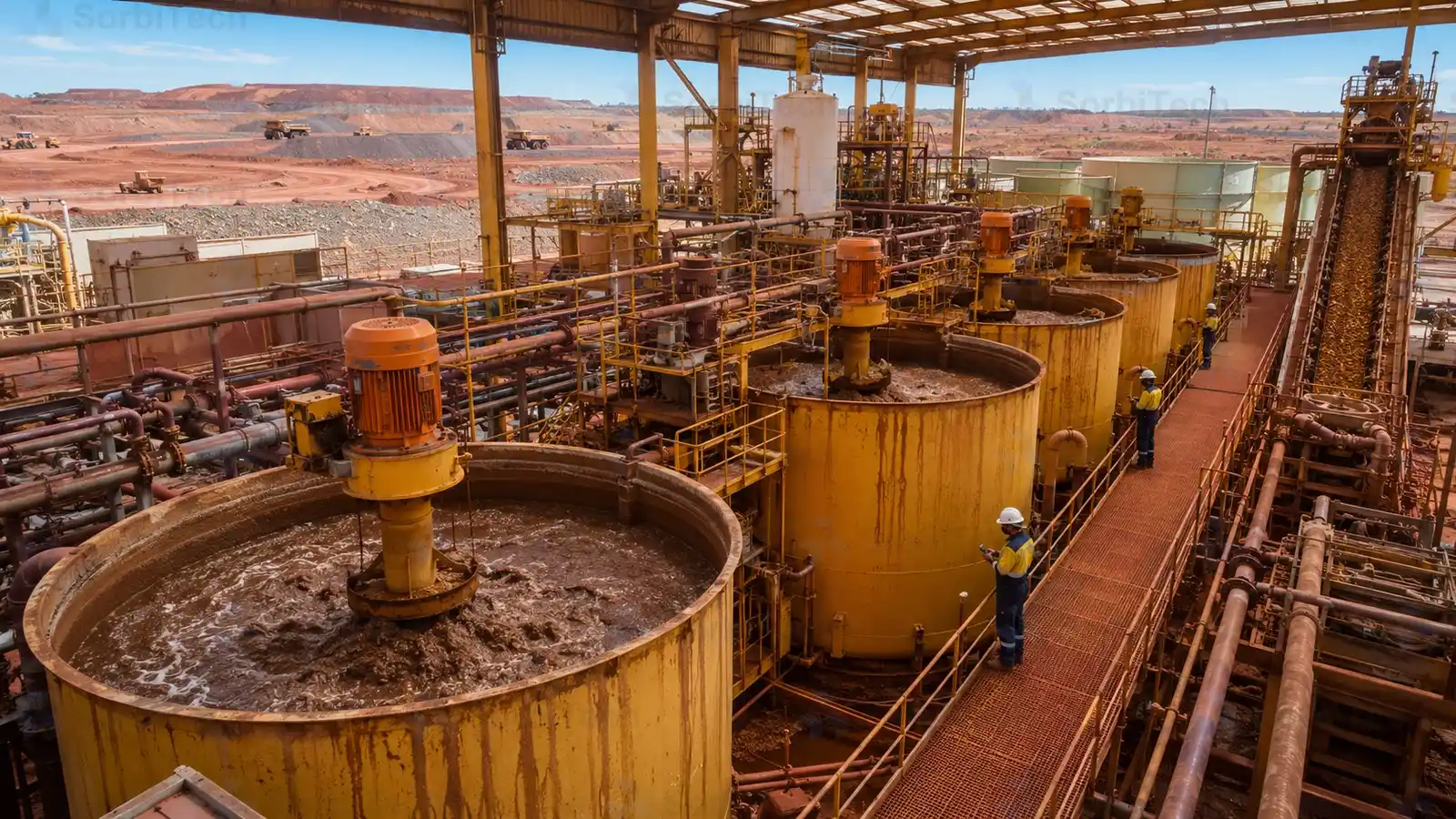
Gold Recovery (CIP / CIL)
Carbon in pulp (CIP) and carbon in leach (CIL) gold recovery using high activity coconut shell granular activated carbon to adsorb dissolved gold cyanide…
Process Duty
Gold Recovery (CIP / CIL)
Carbon in pulp (CIP) and carbon in leach (CIL) gold recovery using high activity coconut shell granular activated carbon to adsorb dissolved gold cyanide…
-
03
 Process Duty
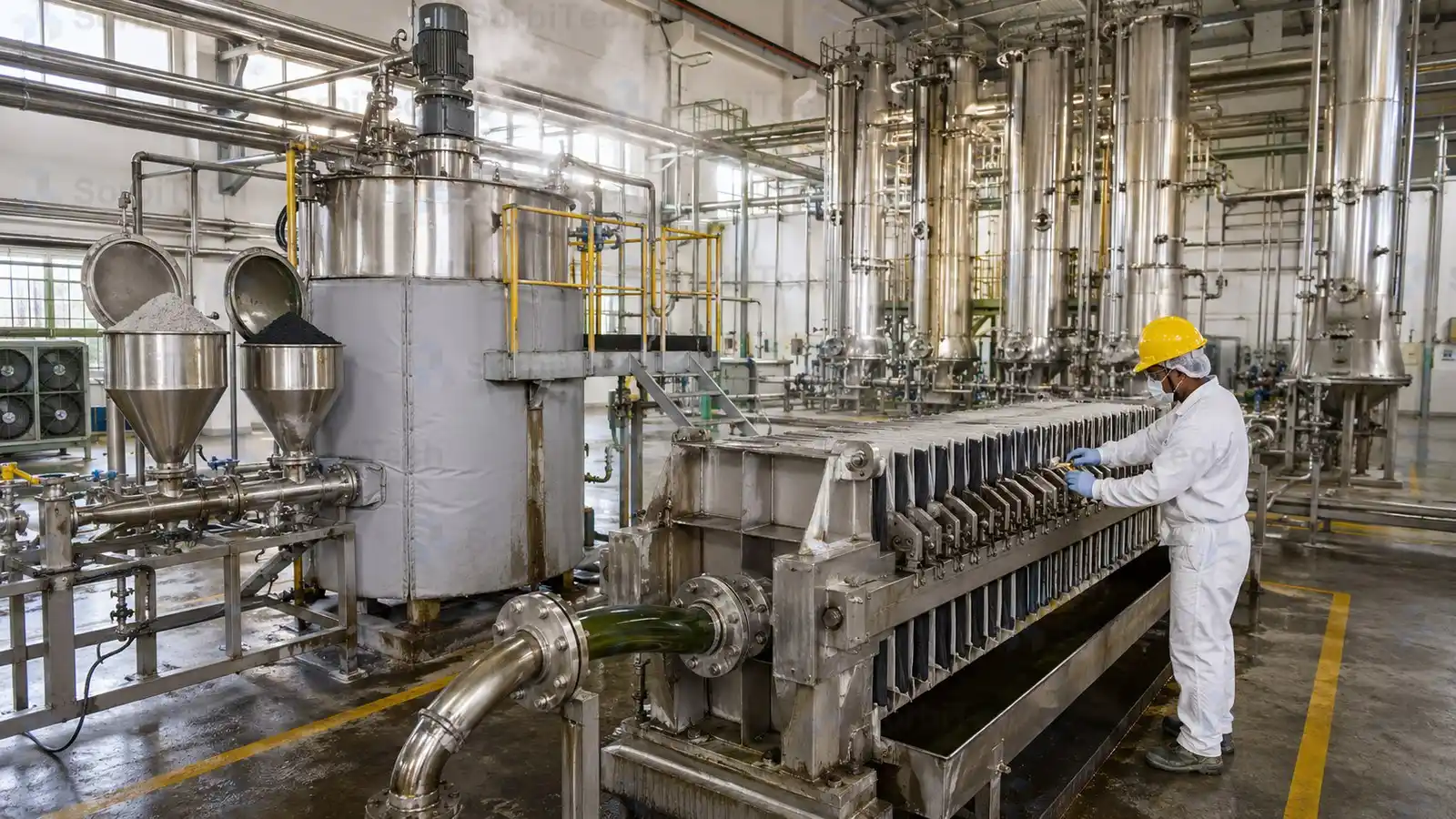
Edible Oil Bleaching
Powdered activated carbon and bleaching earth combination for edible oil bleaching to remove chlorophyll, carotenoids, and oxidation products from palm, sunflower, soybean, and canola…
Process Duty
Edible Oil Bleaching
Powdered activated carbon and bleaching earth combination for edible oil bleaching to remove chlorophyll, carotenoids, and oxidation products from palm, sunflower, soybean, and canola…
-
04
 Process Duty
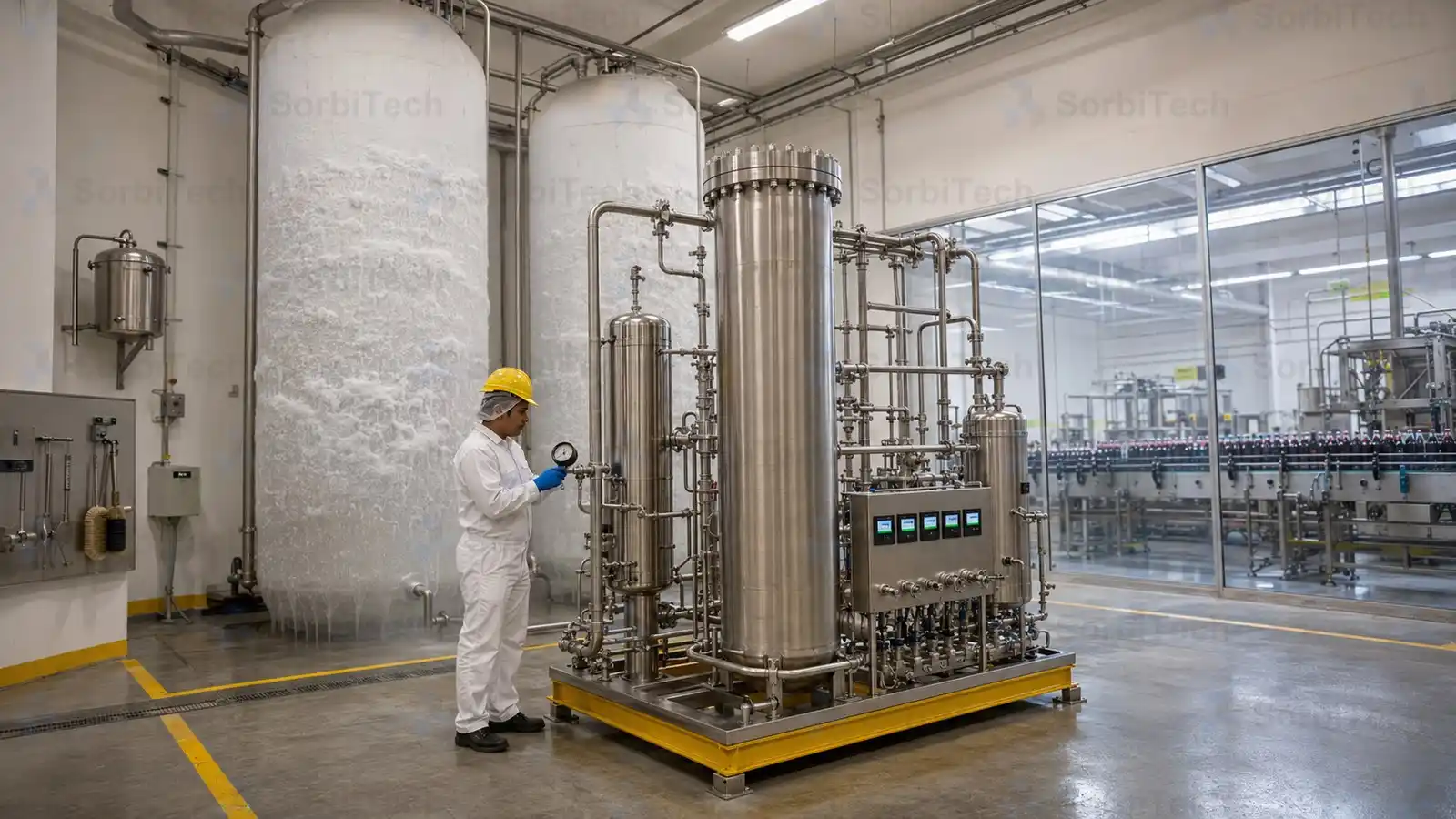
Beverage Carbon Dioxide Purification
Pellet activated carbon guard bed for beverage grade carbon dioxide purification meeting ISBT (International Society of Beverage Technologists) specifications for carbonated soft drinks, beer,…
Process Duty
Beverage Carbon Dioxide Purification
Pellet activated carbon guard bed for beverage grade carbon dioxide purification meeting ISBT (International Society of Beverage Technologists) specifications for carbonated soft drinks, beer,…
-
05
 Process Duty
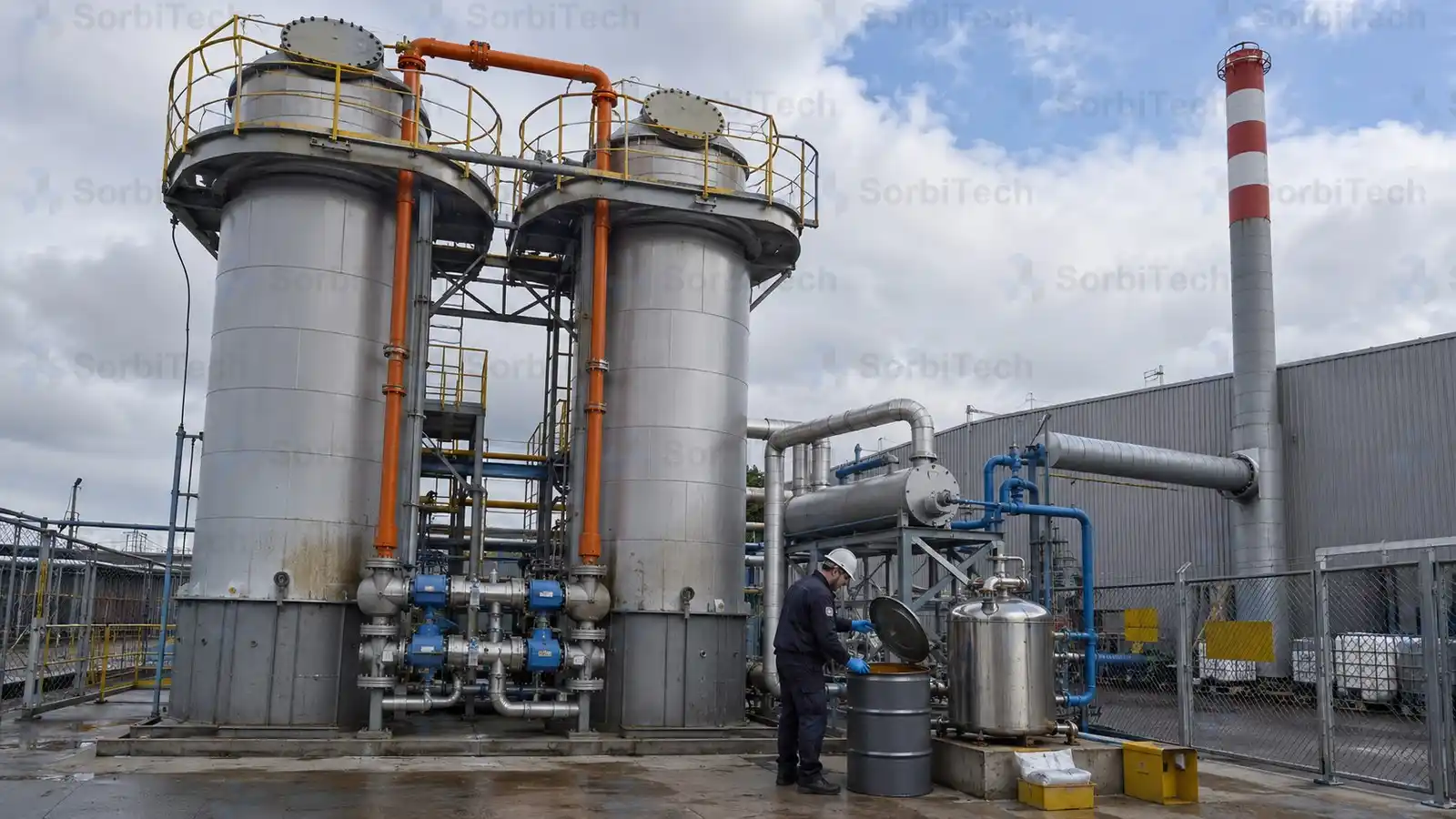
Solvent Vapor Recovery
Solvent vapor recovery using twin tower pellet activated carbon adsorbers with steam or vacuum regeneration to capture and recover volatile organic solvents from process…
Process Duty
Solvent Vapor Recovery
Solvent vapor recovery using twin tower pellet activated carbon adsorbers with steam or vacuum regeneration to capture and recover volatile organic solvents from process…
-
06
 Process Duty
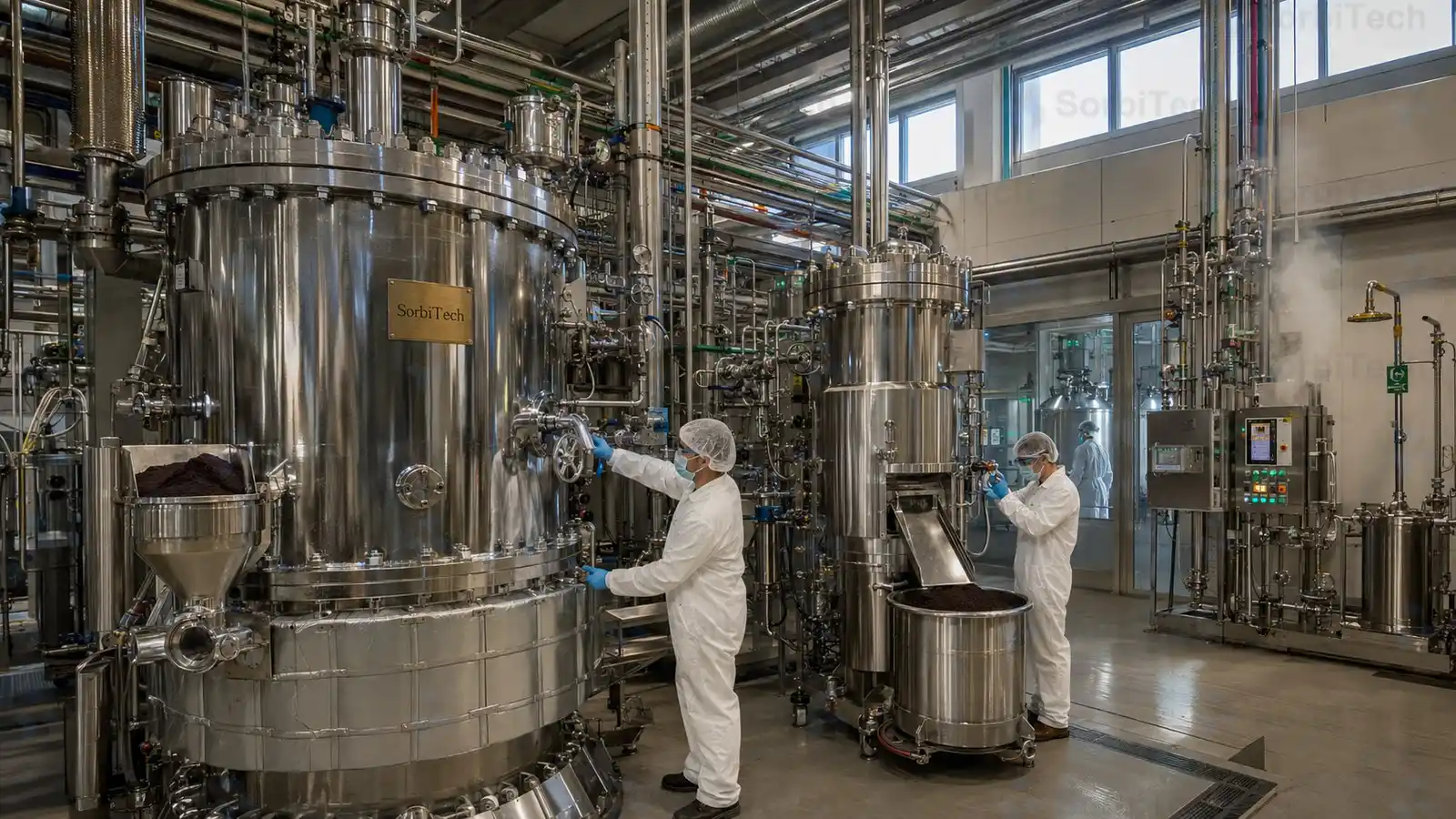
Pharmaceutical API Purification
USP and EP grade powdered activated carbon for active pharmaceutical ingredient (API) purification by slurry contact, removing colour bodies, residual catalysts, and trace impurities…
Process Duty
Pharmaceutical API Purification
USP and EP grade powdered activated carbon for active pharmaceutical ingredient (API) purification by slurry contact, removing colour bodies, residual catalysts, and trace impurities…
Compatible Systems
-
01
 Equipment
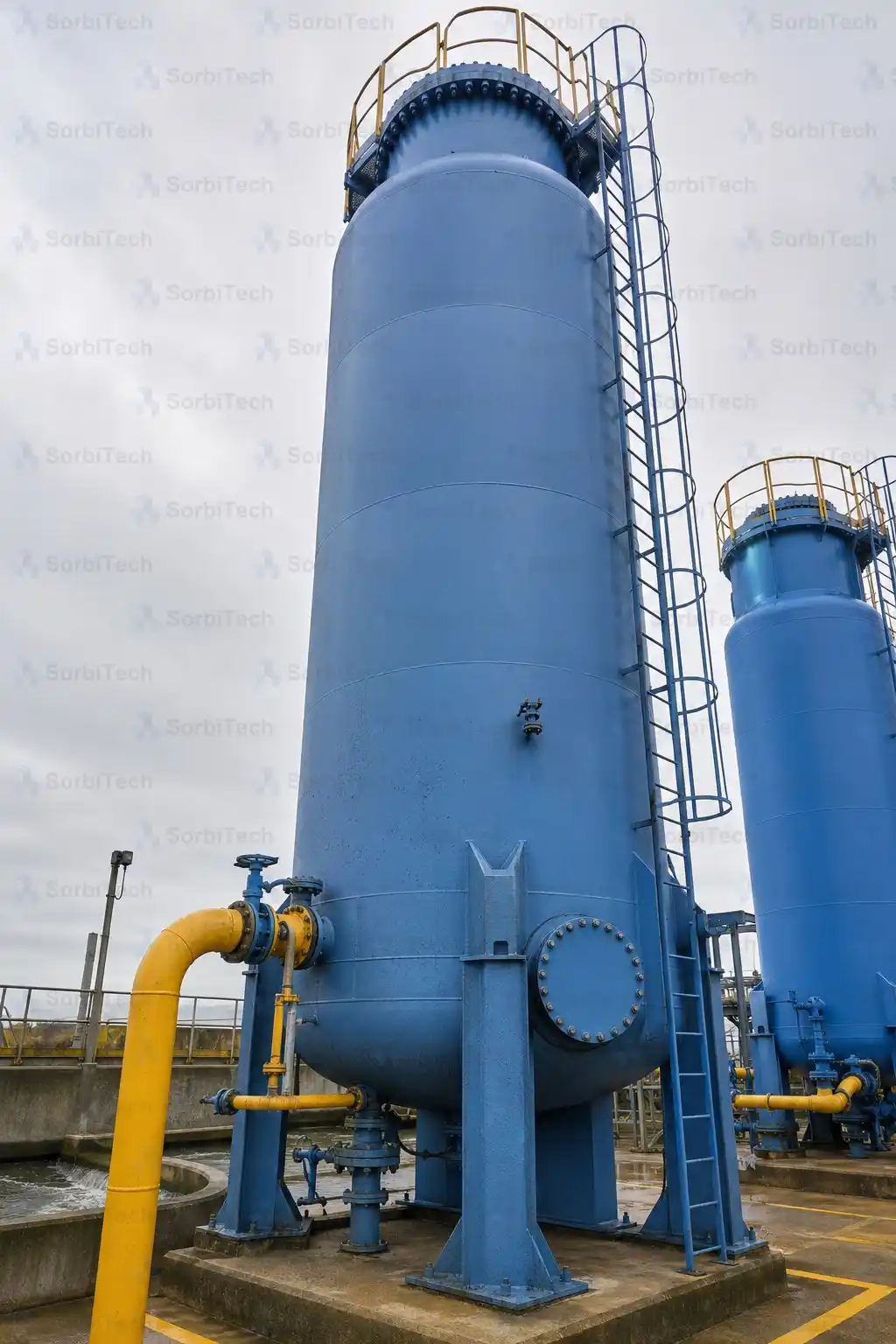
Activated Carbon Water Contactor
Granular activated carbon fixed bed water contactor for dechlorination, taste and odour, dissolved organic carbon, and emerging contaminant polishing in drinking water and process…
Capacity
5–2,000 m³/h
Equipment
Activated Carbon Water Contactor
Granular activated carbon fixed bed water contactor for dechlorination, taste and odour, dissolved organic carbon, and emerging contaminant polishing in drinking water and process…
Capacity
5–2,000 m³/h
-
02
 Equipment
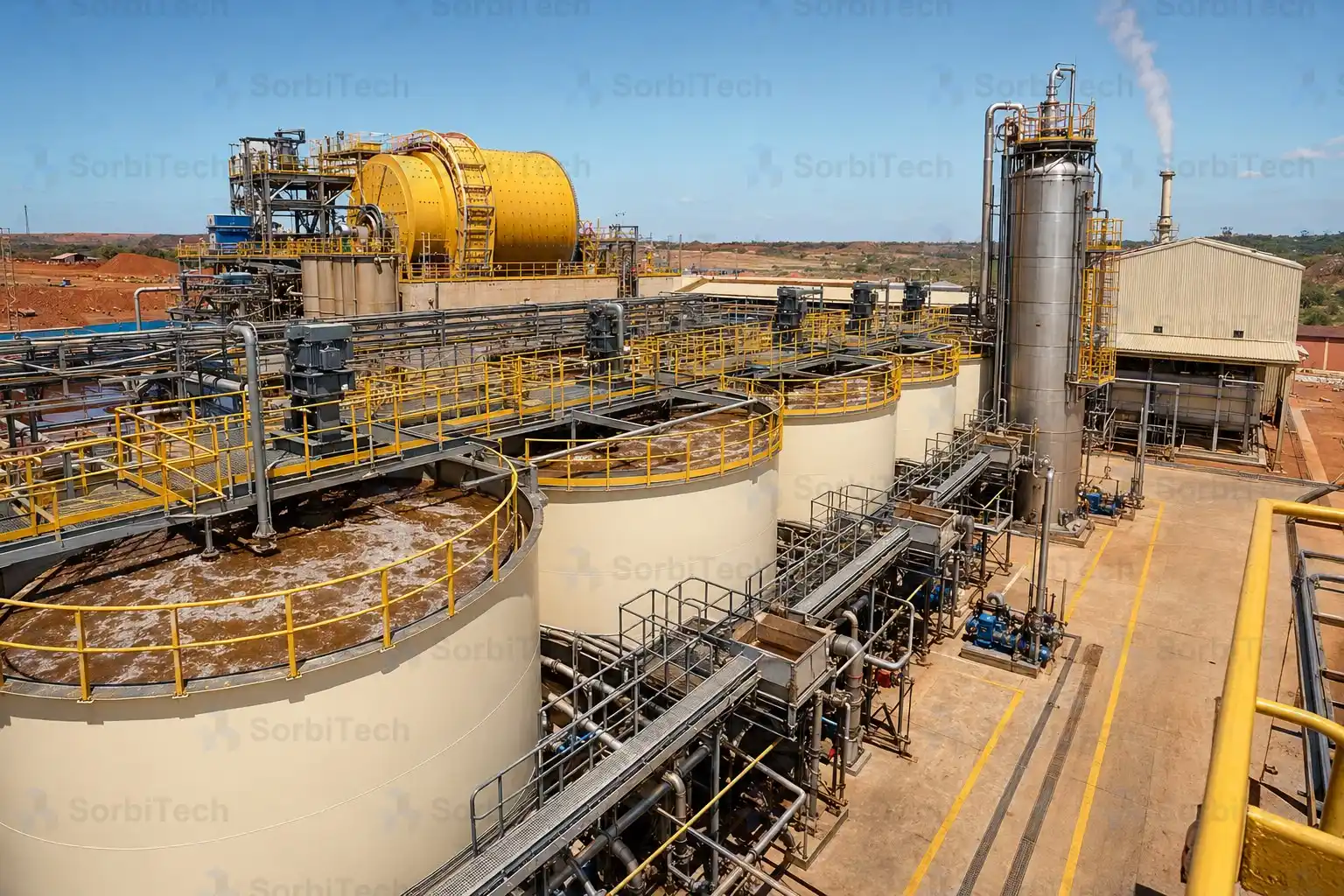
CIP CIL Gold Carbon Plant
Carbon in pulp (CIP) and carbon in leach (CIL) gold recovery plant using high activity coconut shell granular activated carbon to recover gold cyanide…
Capacity
10–200 t/h ore throughput
Equipment
CIP CIL Gold Carbon Plant
Carbon in pulp (CIP) and carbon in leach (CIL) gold recovery plant using high activity coconut shell granular activated carbon to recover gold cyanide…
Capacity
10–200 t/h ore throughput
-
03
 Equipment
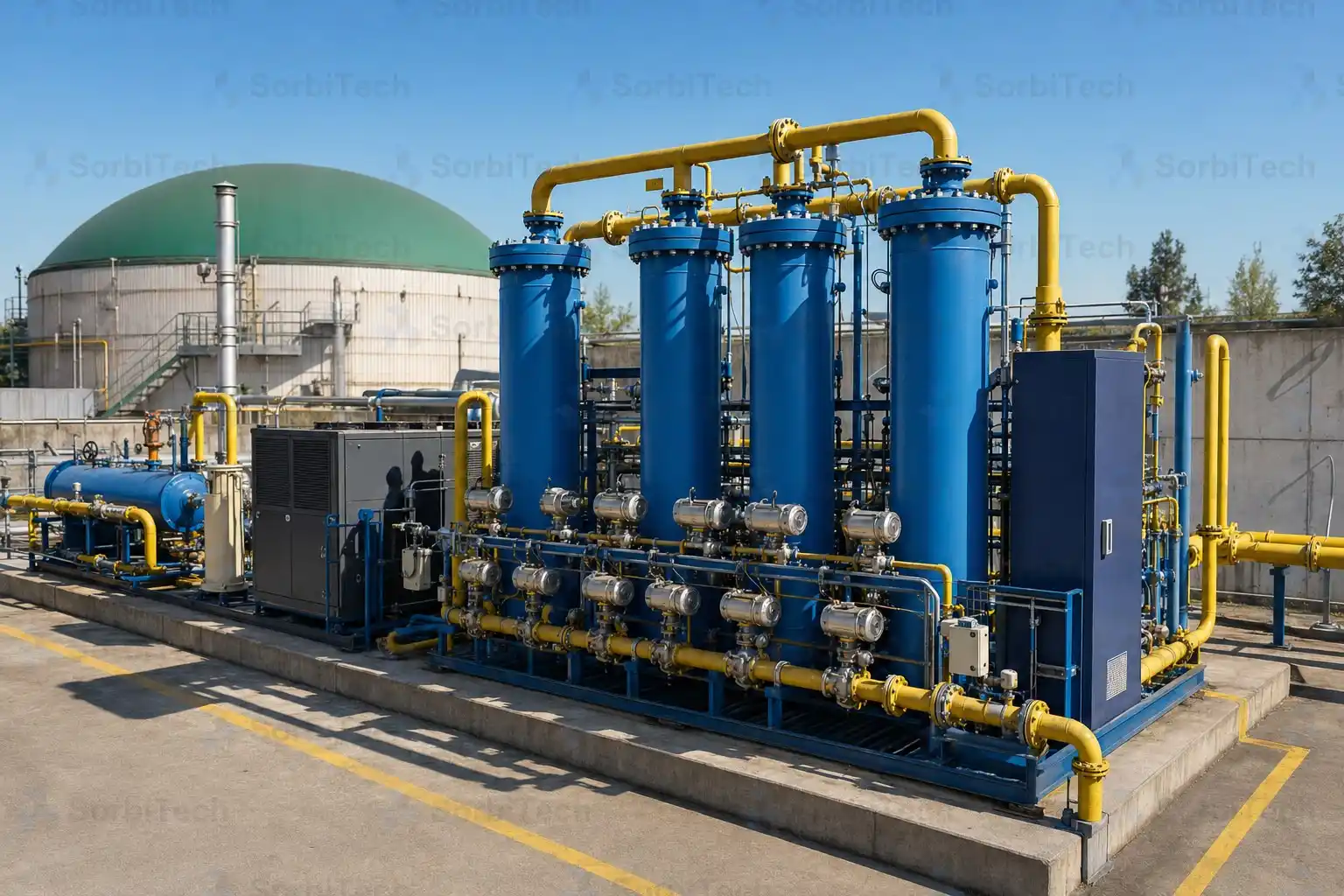
Biogas Upgrading Unit
PSA biogas upgrading unit using carbon molecular sieve to separate carbon dioxide from methane and deliver grid quality bio methane from anaerobic digester biogas…
Capacity
50–2,000 Nm³/h raw biogas
Equipment
Biogas Upgrading Unit
PSA biogas upgrading unit using carbon molecular sieve to separate carbon dioxide from methane and deliver grid quality bio methane from anaerobic digester biogas…
Capacity
50–2,000 Nm³/h raw biogas
-
04
 Equipment
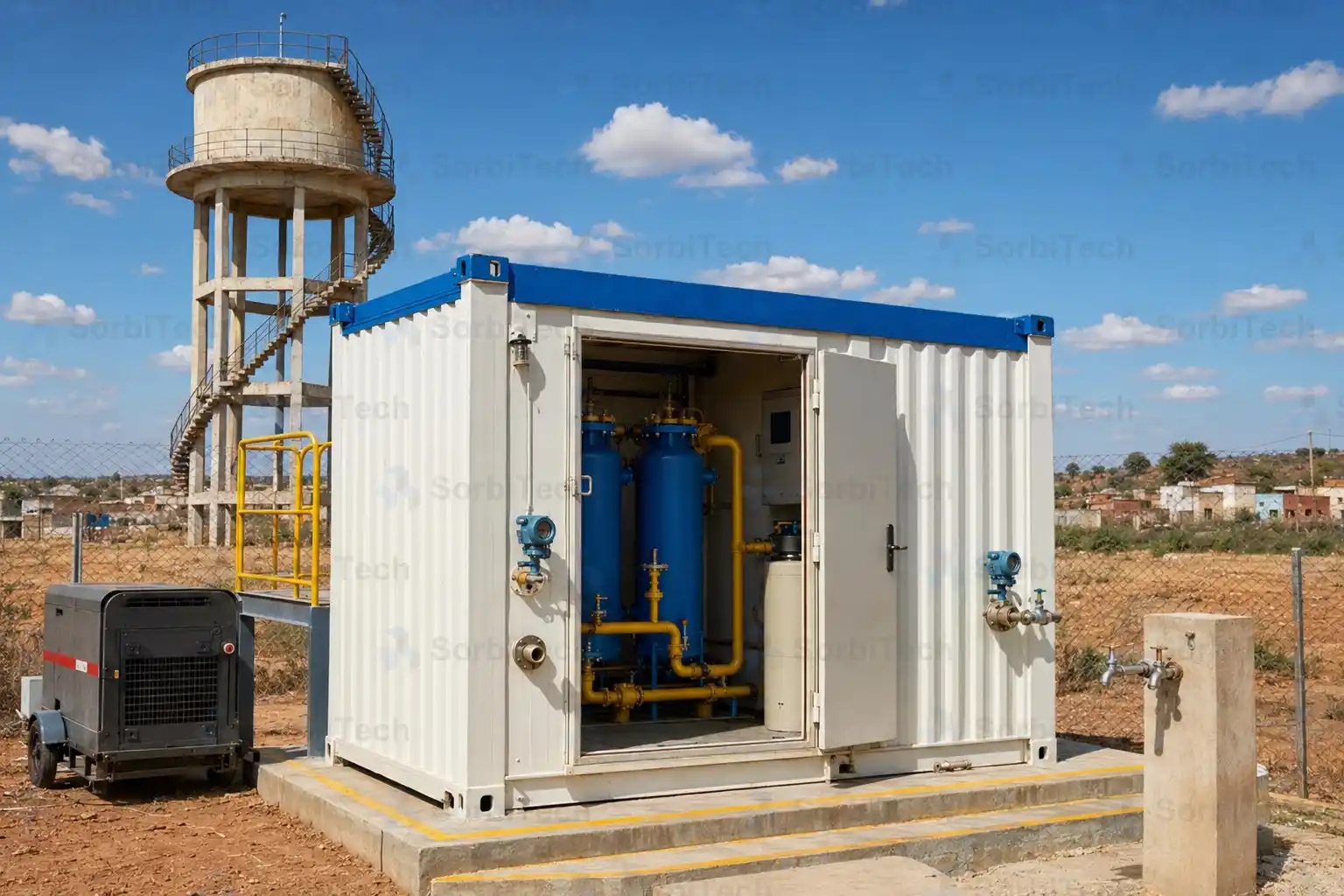
Community Defluoridation Treatment Unit
Containerised activated alumina defluoridation unit for community and decentralised drinking water supply to the WHO guideline of 1.5 mg per litre.
Capacity
0.5–50 m³/h
Equipment
Community Defluoridation Treatment Unit
Containerised activated alumina defluoridation unit for community and decentralised drinking water supply to the WHO guideline of 1.5 mg per litre.
Capacity
0.5–50 m³/h
-
05
 Equipment
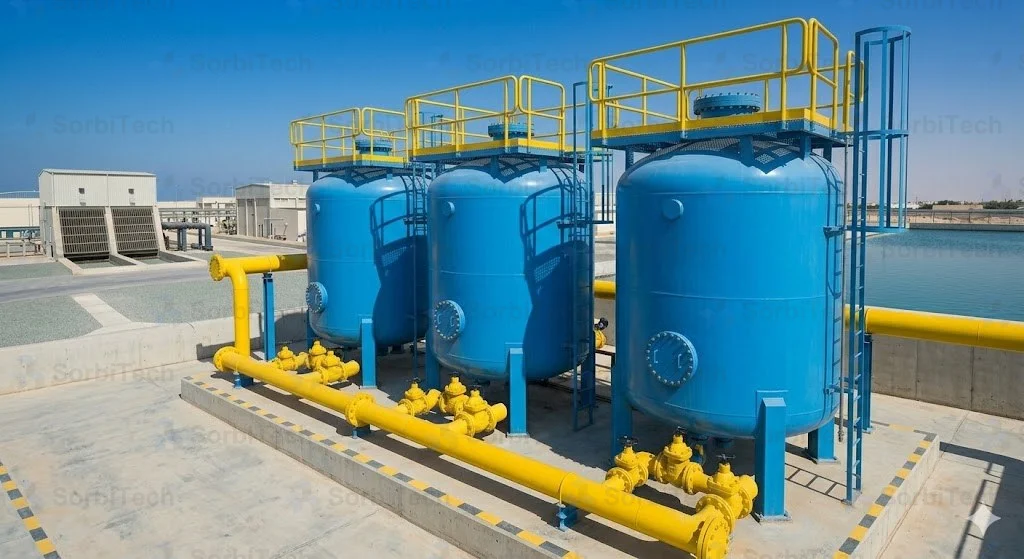
Multi Media Filter
Multi media filter for suspended solids and turbidity removal upstream of activated carbon polishing, reverse osmosis, or process reuse in water treatment trains.
Capacity
5–500 m³/h
Equipment
Multi Media Filter
Multi media filter for suspended solids and turbidity removal upstream of activated carbon polishing, reverse osmosis, or process reuse in water treatment trains.
Capacity
5–500 m³/h
-
06
 Equipment
Vapour Recovery Unit (VRU)
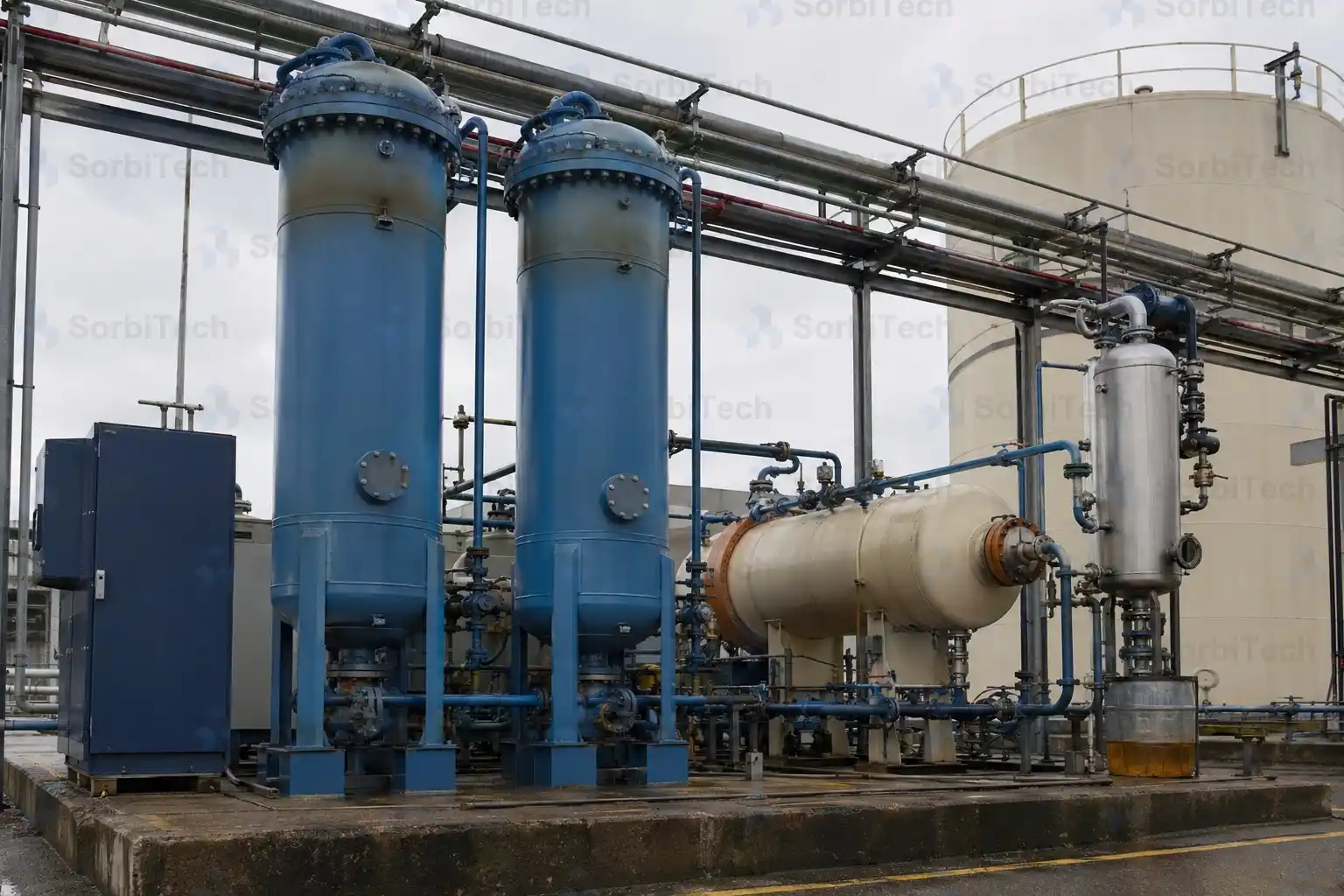
Activated carbon vapour recovery unit for tank farms, loading racks, and process vents to capture and recover hydrocarbons before stack release.
Capacity
50–10,000 Nm³/h vent gas
Equipment
Vapour Recovery Unit (VRU)
Activated carbon vapour recovery unit for tank farms, loading racks, and process vents to capture and recover hydrocarbons before stack release.
Capacity
50–10,000 Nm³/h vent gas
Request a Quote or Technical Consultation
Our technical team responds within one business day.