
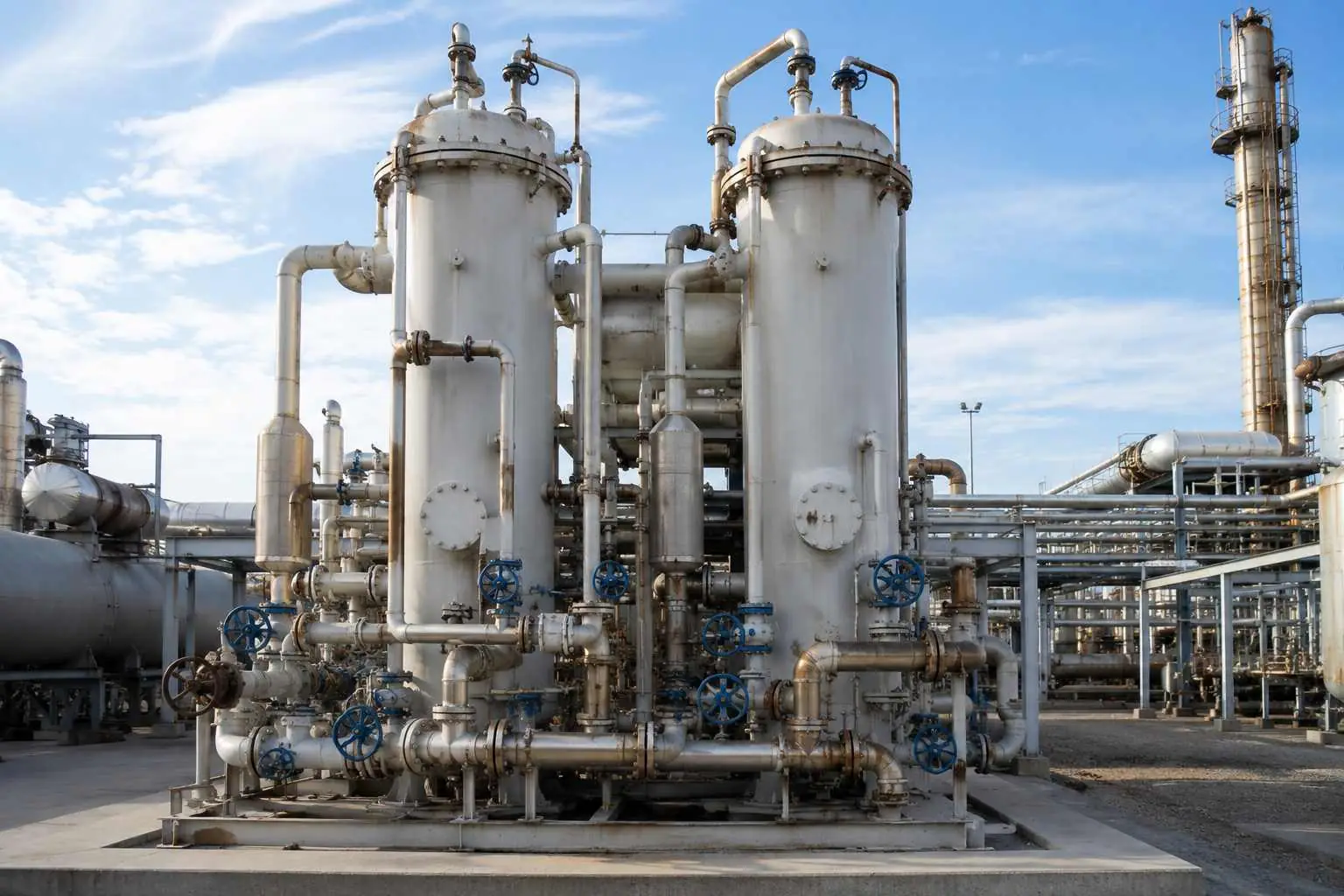
Grades supplied for Parker PSA units
The grades differ in adsorption rate, available pellet diameter and internal surface area. Purity target and operating pressure decide which one applies to a given unit.
| Grade | Nitrogen purity | Pellet sizes | Bulk density (g/ml) | Surface area, BET | Cycle |
|---|---|---|---|---|---|
| CMS 260L | 95 to 99.9 percent | 1.2, 1.5, 1.8 mm | 0.60 to 0.66 | Approx 1050 m²/g | 60 to 120 s |
| CMS 350KT | Up to 99.99 percent | 1.0 to 2.2 mm | 0.60 to 0.66 | Approx 1100 m²/g | 40 to 90 s |
| CMS 420KT | High purity industrial | 1.2 to 1.8 mm | 0.60 to 0.66 | Approx 1150 m²/g | Efficiency duties |
| CMS 450HP | To 99.99999 percent with deoxo | 1.0, 1.2, 1.4, 1.6 mm | 0.62 to 0.68 | Approx 1200 m²/g | Ultra high purity |
Full data sheets sit on the carbon molecular sieve product pages. Values are typical and confirmed against the certificate of analysis for the batch supplied.
Selecting the grade for a replacement charge
Selection follows the purity the generator has to hold and the pressure it runs at, not the model designation on the cabinet. Two units of the same nominal size configured for different outlet specifications will take different grades.
- 95 to 99.9 percent at 7 to 10 barg. CMS 260L, a kinetic grade for medium flow duties on a 60 to 120 second cycle. Suits blanketing, purging and general industrial supply.
- Up to 99.99 percent on a shorter cycle. CMS 350KT, a rapid adsorption grade running 40 to 90 seconds, with a robust pellet shape and low dust formation.
- High purity at 7 to 12 barg. CMS 420KT, verified to ASTM D4058 for attrition resistance where the bed is cycled hard.
- Ultra high purity. CMS 450HP, reaching 99.99999 percent with downstream deoxo polishing, and capturing carbon dioxide as well as oxygen.
The separation mechanism behind the selection is set out in how on site nitrogen is made, and the duty as a whole under PSA nitrogen generation.
Pellet size and fill quantity
Pellet size is offered in several diameters per grade because the adsorber geometry varies between machines. Narrow column construction, as used on the Parker pressure swing ranges, generally favours the smaller pellet sizes and a tightly controlled size distribution, since a narrow tube shows the effect of an inconsistent pack sooner than a wide vessel does.
Quantity is calculated rather than taken from a parts list. Adsorber internal volume multiplied by the bulk density of the grade gives the charge weight, which is why the density figures in the table above matter at the ordering stage. A grade at 0.66 g/ml and one at 0.60 g/ml will not fill the same vessel to the same height at the same weight, and a like for like weight order against a previous supply is the usual reason a delivery finishes short.
Feed air quality the media expects
Carbon molecular sieve is durable in normal service but intolerant of liquid carryover. Oil or water reaching the bed will shorten its life far faster than cycling does, and a replacement charge installed without correcting the upstream cause will decline the same way.
For the higher efficiency grades the expectation is a feed reaching ISO 8573 class 1.4.1, which means the compressed air treatment ahead of the generator is part of the specification rather than a separate concern. Where that treatment is in question, the relevant duty is covered under compressed air drying and purification, and the drying media itself under activated alumina.
Supply, documentation and packaging
- Certificate of analysis with every consignment, covering the properties that govern performance in a pressure swing cycle, under an ISO 9001:2015 quality system.
- Sealed packaging. Carbon molecular sieve picks up moisture from the atmosphere, so it is supplied sealed and should stay sealed until the adsorber is ready to receive it.
- Consistent bulk density between batches, so a calculated fill weight continues to give the same packed height on repeat orders.
- Loading guidance with the supply, including dense loading rather than free pouring, and the work itself available under media changeout where a site prefers it.
Grades and quantities are quoted against the duty of the individual unit. Where a generator has reached the end of its economic life rather than its charge, a replacement package is covered under PSA nitrogen generation packages, and media for other installed equipment is listed under compatible media.
Compatibility and supply
SorbiTech carbon molecular sieve is manufactured to SorbiTech's own specification and supplied as a compatible charge for pressure swing nitrogen generators built by other manufacturers, including NITROSource and MAXIGAS units from Parker. Grades are selected against the duty of the individual unit and released with a certificate of analysis.
Engineering design, technical support and performance guarantees are available, and are set against the specific unit and duty following technical review.
Where a unit remains under an original manufacturer warranty or service agreement, the terms of that agreement apply.
Frequently asked questions
Which grade suits a Parker unit running at 99.99 percent?
CMS 350KT is the usual selection at that purity. It is a rapid adsorption grade running a 40 to 90 second cycle at 7 to 10 barg, with a robust pellet shape and low dust formation. Where the duty is at higher pressure, up to 12 barg, CMS 420KT is normally specified instead.
What pellet sizes are available?
CMS 260L is offered at 1.2, 1.5 and 1.8 mm, CMS 350KT across 1.0 to 2.2 mm, CMS 420KT at 1.2 to 1.8 mm, and CMS 450HP at 1.0, 1.2, 1.4 and 1.6 mm. Narrow column construction generally favours the smaller sizes with a tightly controlled distribution.
How is the charge weight worked out?
Adsorber internal volume multiplied by the bulk density of the grade supplied. Because the grades run between 0.60 and 0.68 g/ml, a like for like weight order against a previous supply can leave the bed short, so the density of the specific grade forms part of the calculation.
What compressed air quality does the media need?
Dry and oil free. Liquid carryover shortens the life of a charge far faster than cycling does. For the higher efficiency grades the expectation is a feed reaching ISO 8573 class 1.4.1, so the air treatment ahead of the generator forms part of the specification.
How is the media packaged and stored?
Sealed, because carbon molecular sieve takes up moisture from the atmosphere. Consignments should stay sealed until the adsorber is open and ready to receive the charge, and any part drum left over should be resealed.
Specify a CMS grade for your unit
Tell us the purity the generator has to hold and the operating pressure, and we will confirm grade, pellet size and quantity.